06 Babyproofing by Room & Stage Guide
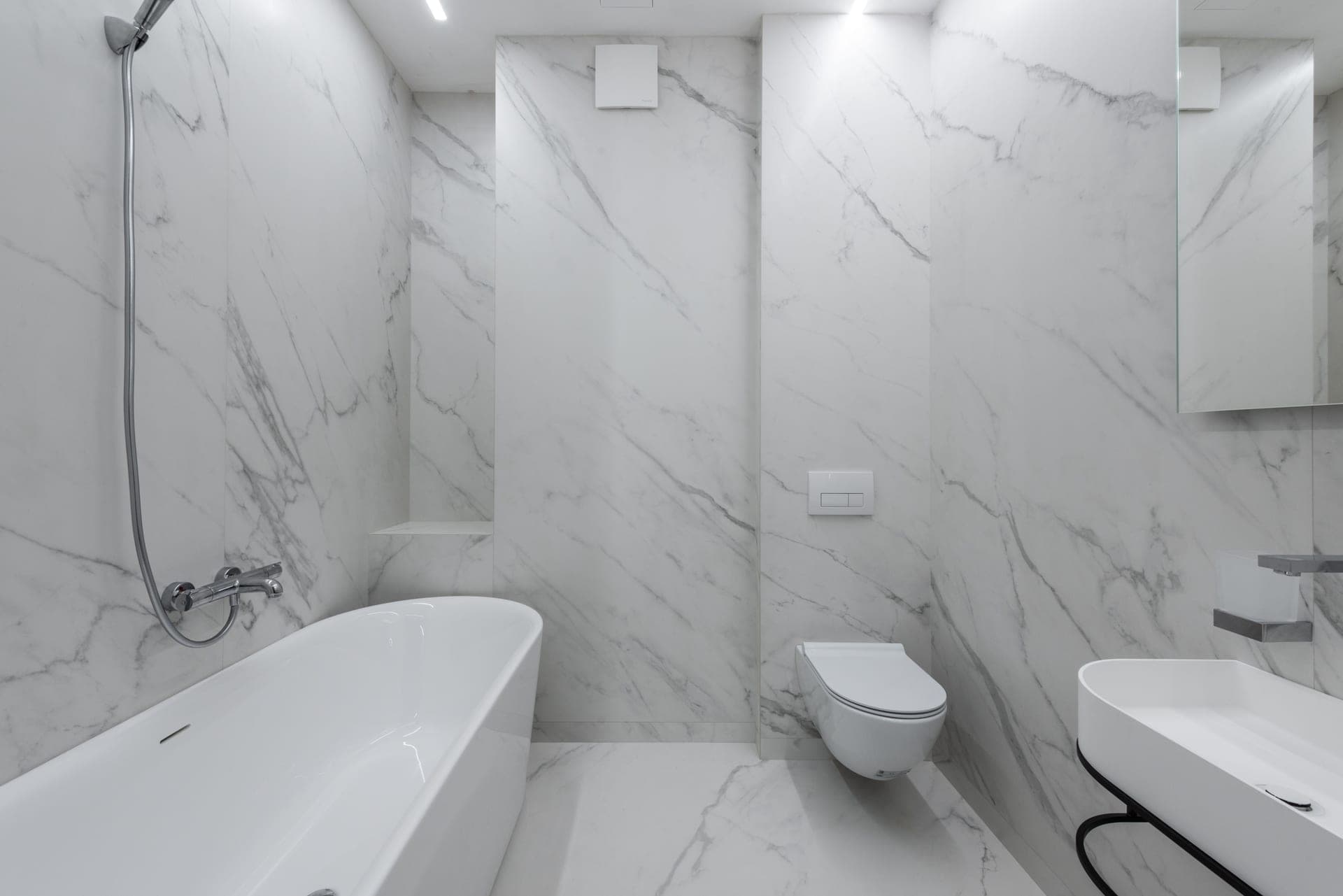
Babyproofing the bathroom: the door first, then the toilet, the tub and the medicine cabinet
The bathroom has water a toddler can drown in, water hot enough to scald, and the most concentrated poisons in the house. The best lock is on the outside of the door.
- By
- Mike M.
- Updated
- Method
- How we choose
We earn a commission if you buy through our links, at no extra cost to you. It never decides the ranking: the method is published. Affiliate disclosure
1. The door
A closed bathroom door is the cheapest childproofing in the house. A knob cover on the outside of a round knob, or a lever lock beside a lever, and the room is off-limits unless an adult is in it. Put the lock on the outside only: a toddler locked inside a bathroom alone is the failure mode, and Wappa's lever lock page warns that its product locks the door from both sides. The picks are in best door locks and knob covers. Everything below is for the times the door is open.
2. The toilet
A toilet bowl is a few inches of water at the height a toddler topples into head first, and a toddler who topples cannot push back up. A lid lock is an adhesive latch across the lid and the tank or rim, released by a button or a two-motion pull. Safety 1st's OutSmart has a decoy button; Wappa sells three to a pack and deactivates for guests; Prince Lionheart's is the cheapest dual-action one. All of them work only when someone re-latches after every use, which is the argument for the door lock again.
3. The tub and the water heater
Two hazards. Scalds: the AAP's guidance is to adjust the water heater so the hottest water at the faucet is no more than 120 F; the CPSC's tap-water scald publication explains why, and a thermometer at the tap confirms it. Bumps: a spout cover such as Skip Hop's Moby pads the metal a slipping child hits; it does nothing for temperature. Drowning: there is no product. A child in the bath has an adult within arm's reach, not in the doorway, not on the phone, for every second of the bath, and the tub is drained the moment it is over. Buckets and the toilet follow the same rule. The CPSC's drowning figures, and the layers for a pool, are in how to childproof a pool.
4. Medicine and cleaners
Poison Control's 2024 data puts analgesics and cosmetics alongside household cleaners at the top of exposures in children under six, and the bathroom is where all three live. Child-resistant caps slow a child; they do not stop one. Everything goes in a cabinet above shoulder height with a lock on it, per best cabinet locks for babyproofing; the vanity under the sink gets the same magnetic or strap lock as the kitchen's. Mouthwash, vitamins, the iron supplement, nail polish remover and the toilet-bowl cleaner all count. The AAP's rule: out of reach, out of sight, locked up.
5. The small things
Razors, hair dryers plugged in near water (unplug and store them), the trash can with its cotton swabs and floss, the towel bar a toddler pulls off the wall, and the outlet by the sink, which should be GFCI (the one with the test and reset buttons) and should get an in-use cover if a hair dryer lives in it, per best outlet covers for plugs in use. The bathroom is one row of the babyproofing checklist.
The picks
How we chose
Units we claim to have tested: 0
Everyone in this category says they tested it. We didn't, and we say so. Every pick is scored from the brand's published specs, width and size charts, warranty terms and cited research, against the problem this page is about. The sources are listed at the bottom of the page.
Scores are editorial judgments from that published data, not lab results. Nobody pays for placement, and a missing spec is scored neutral, never guessed. The full rubric is on How We Choose.
- Standards & certification
- 25%
- Installation truth
- 20%
- Toddler resistance
- 20%
- Adult one-hand use
- 10%
- Damage & reversibility
- 10%
- Value
- 15%
The weights this page used for its scores.
FAQ
Questions people ask
How do you babyproof a bathroom?
Do I need a toilet lock?
What temperature should the water heater be for a baby?
Keep going
Related guides and picks
Update log
What changed
- First published.
Receipts
Sources
- 01Poison Control (poison.org): National poisoning statistics, 2024 data (accessed Sep 21, 2026)
- 02American Academy of Pediatrics, HealthyChildren.org: Childproofing Your Home for Poisons (accessed Sep 21, 2026)
- 03American Academy of Pediatrics, HealthyChildren.org: Burn treatment and prevention tips for families (water heater at 120 F) (accessed Sep 21, 2026)
- 04CPSC publication 5098: Tap water scalds (accessed Sep 21, 2026)
- 05CPSC news release, 2026: report highlights persistent risk of childhood drowning (accessed Sep 21, 2026)
- 06CPSC publication: Childproofing Your Home, 12 Safety Devices to Protect Your Children (accessed Sep 21, 2026)
We don't lab-test gates, locks or anchors, and we don't pretend to. Specs, standards statements and install requirements come from the manufacturer's own pages and manuals (or a named retailer's listing where the brand doesn't publish them); injury data and standards come from the CPSC, ASTM, NEC via ESFI and the AAP, linked above. Prices are set by Amazon and change often, so we don't print them. Where a figure isn't published, we say so. Read the full method.