03Furniture Anchors & Tip-Over
Furniture anchors and TV straps: stop the dresser before the climb
Anchoring is the one babyproofing job with a body count behind it. Here's what the CPSC data says, what the STURDY rule does and doesn't cover, and the kits that hold in drywall, plaster and brick.
9 guides and picks in this section · How we choose
We earn a commission if you buy through our links, at no extra cost to you. It never decides the ranking: the method is published. Affiliate disclosure
Start here
Read this first
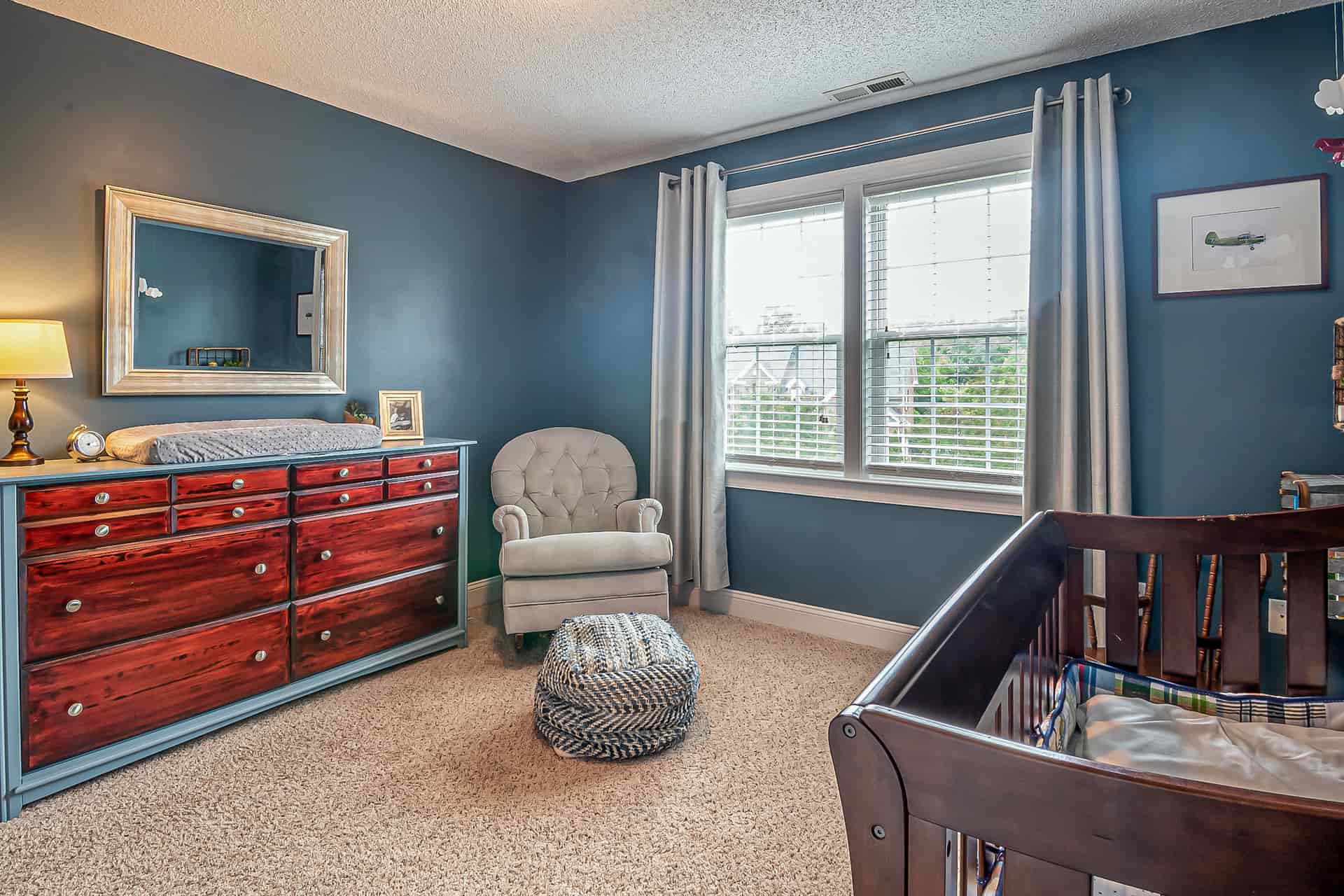
Do you really need to anchor furniture? Yes, and the CPSC's numbers are why
The tip-over case in numbers (CPSC 2024), what STURDY covers, whether IKEA, short, heavy or already-stable furniture needs anchoring, why it has to be a stud, and the two anchors to buy.
Read it firstFeatured pick: Hangman Anti-Tip Kit (TK-400)
#ad · Price set by Amazon · Affiliate disclosure for the link to Hangman Anti-Tip Kit (TK-400)
Best picks
Ranked picks for this hazard
Best picks
Best furniture anchors
Five anti-tip anchors from an all-steel cable kit to a no-drill TV strap, ranked with the CPSC's stud rule in mind and the load ratings each maker actually publishes.
Top pick: Hangman Anti-Tip Kit (TK-400) · 5 picks
Check price on Amazon#ad · Price set by Amazon · Affiliate disclosure for the link to Hangman Anti-Tip Kit (TK-400)
Best picks
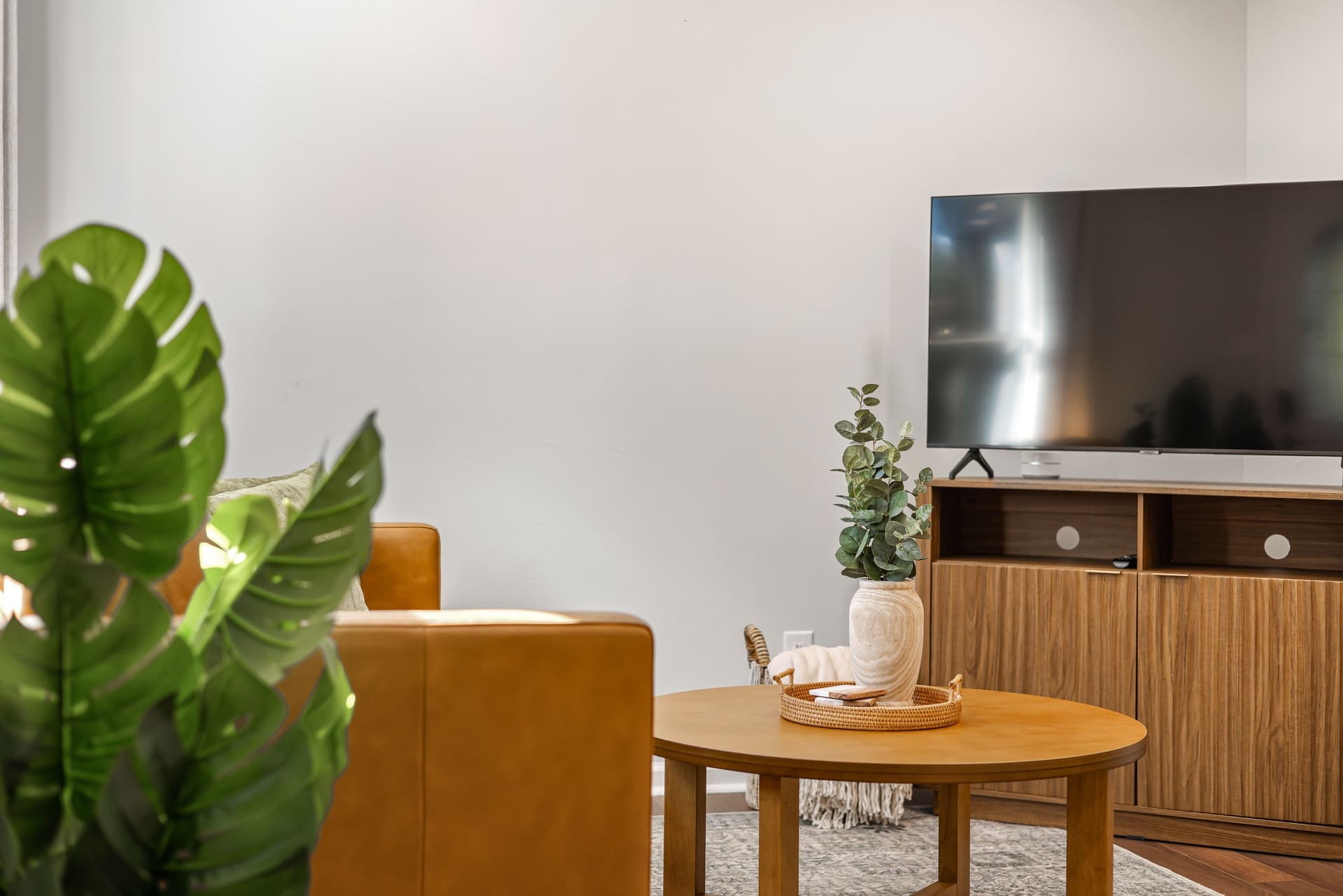
Best TV anti-tip straps
Three TV straps: Safety 1st's three-configuration strap that does TV and stand together, its budget furniture strap for the stand alone, and QuakeHOLD!'s adhesive strap for renters.
Top pick: Safety 1st TV & Furniture Safety Straps (HS304) · 3 picks
Check price on Amazon#ad · Price set by Amazon · Affiliate disclosure for the link to Safety 1st TV & Furniture Safety Straps (HS304)
What to buy first
One anchor kit per dresser, bookcase and TV stand, and a strap for the television, in that order, before any gate or lock. This is the section of the site with a body count behind it: the CPSC counted 217 tip-over deaths from 2013 through mid-2023, 47 percent of them involving a television, 55 percent of the victims aged one to three, and about 17,800 emergency-room injuries a year, 44 percent of them children. The argument in full, with the STURDY rule and what it does and does not cover, is do you really need to anchor furniture, and the answer is yes, including the dresser that feels heavy, including the one with the TV on it, including the one in the rental. The ranked kits are best furniture anchors; the TV straps are best TV anti-tip straps.
How the category divides
Anchors divide by what connects the furniture to the wall. Straps are nylon webbing between two brackets, with slack to pull the furniture out for cleaning; cables are steel with the same layout and no stretch; L-brackets are rigid metal that bolts the furniture flat to the wall and makes it a fixture. The trade-offs are in anti-tip straps vs brackets. Then by how the wall end mounts: a screw into a stud is the answer for every kit on the site, and the no-screw alternatives (adhesive pads, drywall anchors) are a separate, weaker class, per no-drill vs screw-in furniture anchors. The wall itself changes the hardware: drywall over studs, plaster and lath, brick and block each want a different fastener, per furniture anchors for drywall, plaster and brick. TVs are their own category because a flat screen can be strapped to the stand, strapped to the wall, or wall-mounted outright, in how to anchor a TV. The dresser walkthrough is how to anchor a dresser.
What decides the price
Almost nothing, which is the point. A two-strap furniture kit lists $12.99 at QuakeHOLD! and $9.99 on Safety 1st's Canadian site; a steel cable kit from Hangman was $14.99 at Ace when we checked; Safety 1st's TV and furniture strap set lists $14.99 there too. The most expensive anchor on the site costs less than the cheapest gate. What varies is the rating the maker publishes (Hangman states 400 pounds; most state nothing), the metal (steel cable and steel brackets versus plastic brackets and nylon), whether screws for the furniture end and the wall end are both in the box, and whether the strap has a quick-release buckle for moving the piece. A kit with published testing, all-metal parts and both sets of screws is still under $20 at list. The prices above are maker or retailer list prices on the day we checked, linked on each spec table; Amazon sets its own.
The common mistake
Screwing the wall bracket into drywall with the plastic anchor from the box. Drywall holds a picture; a falling dresser rips the anchor out with a disc of paper. The bracket goes into a stud, found with a stud finder and confirmed with a nail, or into a plaster lath or a masonry anchor rated for the wall. The second mistake is anchoring the dresser and leaving the television loose on top of it, which is the exact scenario in nearly half the deaths the CPSC counted. The third is trusting a new dresser because it passed STURDY: the ASTM F2057-23 test uses a 60-pound child load and became mandatory for dressers made after September 1, 2023, and it reduces the hazard; it does not remove it, and the rule does not cover bookcases, TV stands or anything sold before that date. Renters have a version of all three, answered in anchoring furniture in a rental. The CPSC's own guidance, in its Anchor It! campaign, is the same: anchor it, in every room, whether or not the piece feels heavy enough to stay up.
Head to head
Comparisons

Head to head
Straps vs brackets
The two mainstream anchor designs compared: Hangman's steel bracket and aircraft-cable kit against Safety 1st's woven straps, on strength claims, install, adjustability and price.
Featured: Hangman Anti-Tip Kit (TK-400)
Check price on Amazon#ad · Price set by Amazon · Affiliate disclosure for the link to Hangman Anti-Tip Kit (TK-400)

Head to head
No-drill vs screw-in anchors
Three anchors along the drilling spectrum: Hangman's all-screw steel kit, QuakeHOLD!'s hybrid strap (adhesive on furniture, screw in the wall), and QuakeHOLD!'s adhesive-only TV strap, with the physics of why the wall screw stays.
Featured: Hangman Anti-Tip Kit (TK-400)
Check price on Amazon#ad · Price set by Amazon · Affiliate disclosure for the link to Hangman Anti-Tip Kit (TK-400)
Guides
Guides: how to install it, and whether you need it
Guide
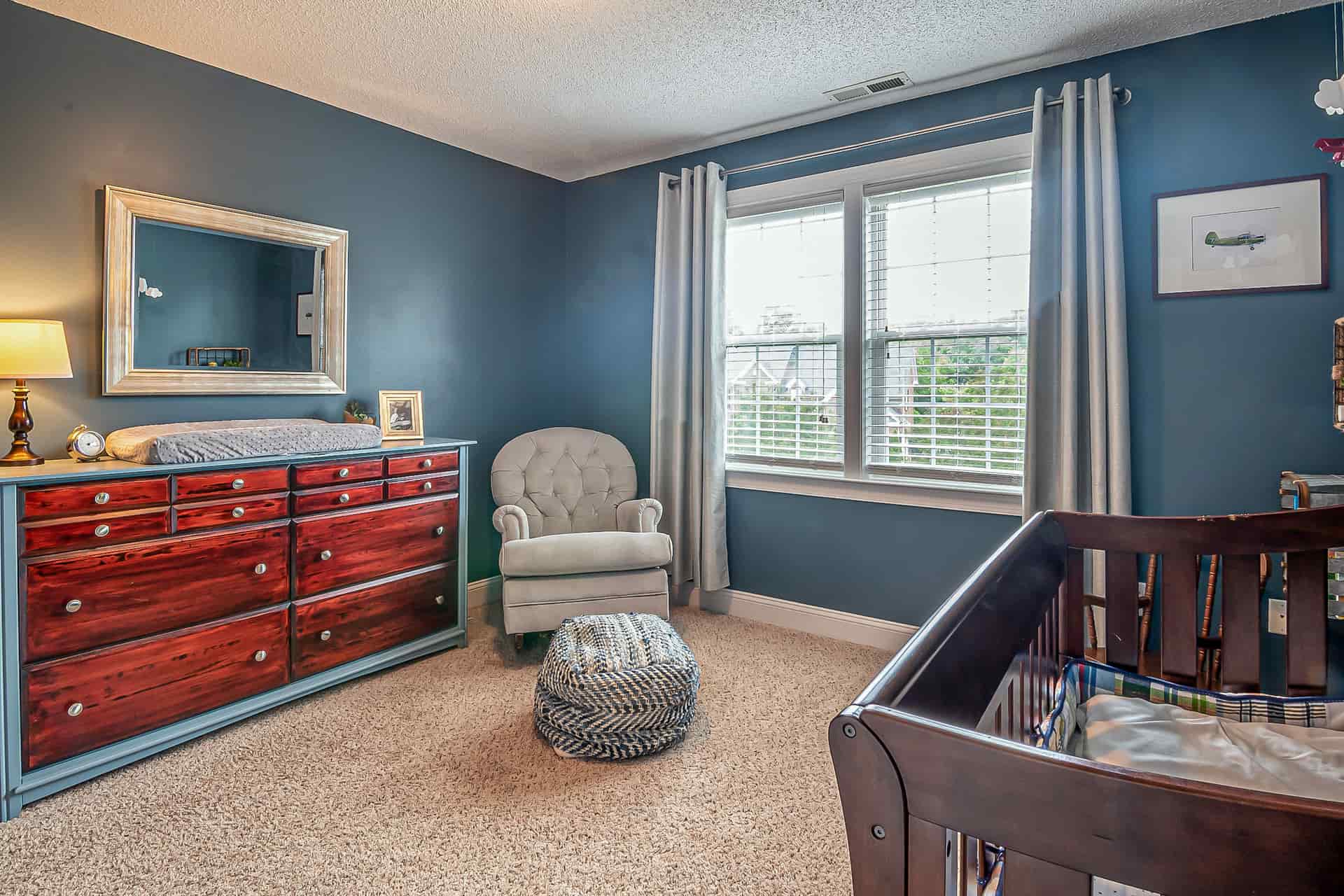
How to anchor a dresser
The dresser anchoring procedure with the stud, the attachment point, the tension and the test, plus tall dressers, dressers away from the wall, and what to do when the stud is in the wrong place.
Featured: Hangman Anti-Tip Kit (TK-400)
Check price on Amazon#ad · Price set by Amazon · Affiliate disclosure for the link to Hangman Anti-Tip Kit (TK-400)
Guide
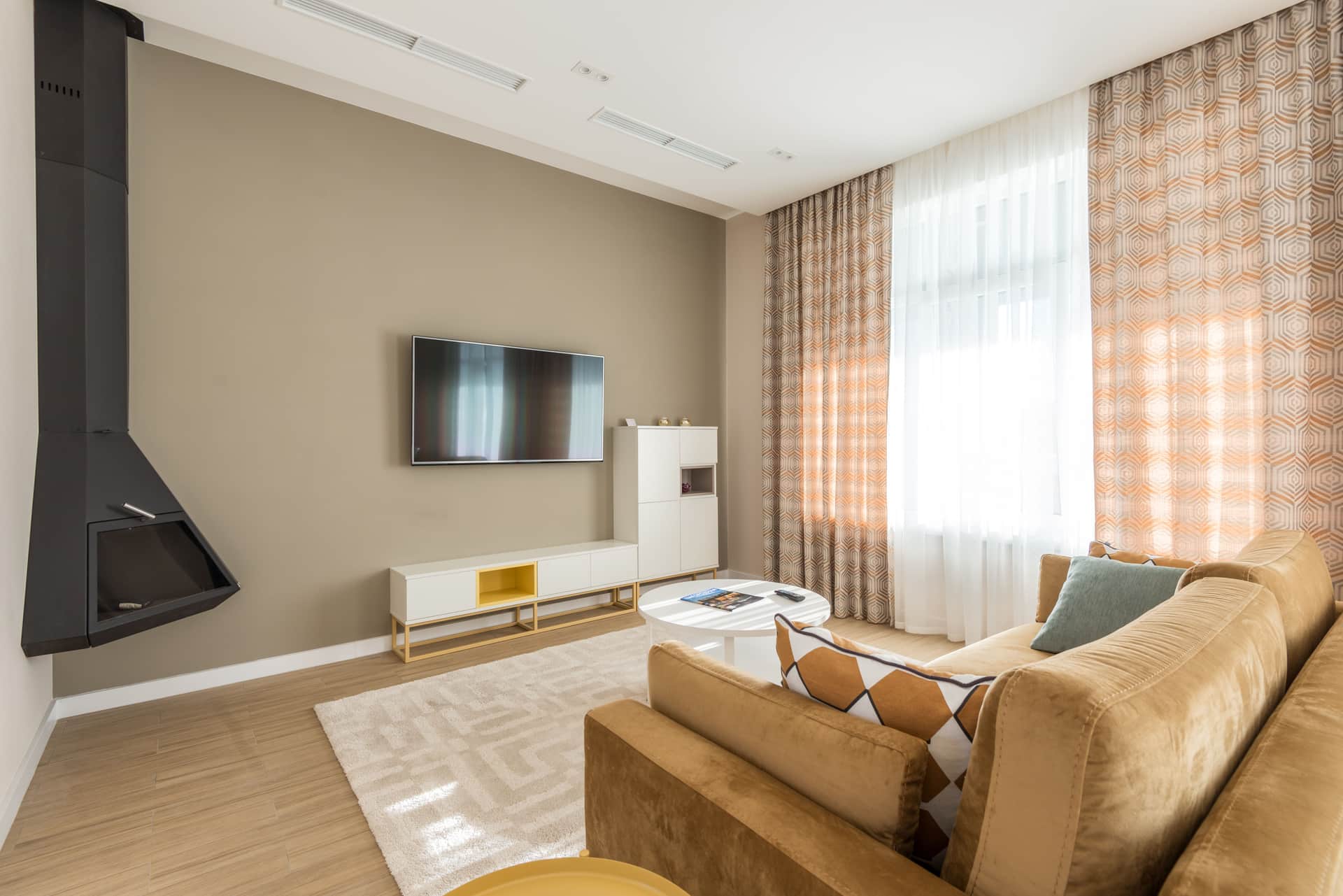
How to anchor a TV
TV anchoring in three routes: rated wall bracket into studs, strap to an anchored stand, and the no-stud adhesive fallback, with the VESA holes, the stand rule and CPSC placement advice.
Featured: Safety 1st TV & Furniture Safety Straps (HS304)
Check price on Amazon#ad · Price set by Amazon · Affiliate disclosure for the link to Safety 1st TV & Furniture Safety Straps (HS304)

Guide
Anchors by wall type
The wall-end hardware for each wall: drywall (stud or cleat, never a plug), lath-and-plaster (find the lath or the stud, pre-drill), brick and block (sleeve or wedge anchors into the brick, not the mortar), with two adaptable kits.
Featured: Hangman Anti-Tip Kit (TK-400)
Check price on Amazon#ad · Price set by Amazon · Affiliate disclosure for the link to Hangman Anti-Tip Kit (TK-400)
Guide
Anchoring in a rental
The rental anchoring plan: why adhesive alone fails at the wall, the written request most landlords approve, the hybrid and adhesive straps for the furniture and TV, and the spackle at move-out.
Featured: QuakeHOLD! Furniture Strap (Model 4160)
Check price on Amazon#ad · Price set by Amazon · Affiliate disclosure for the link to QuakeHOLD! Furniture Strap (Model 4160)
Filed elsewhere, written for you
Also worth reading
Babyproofing by Room & Stage
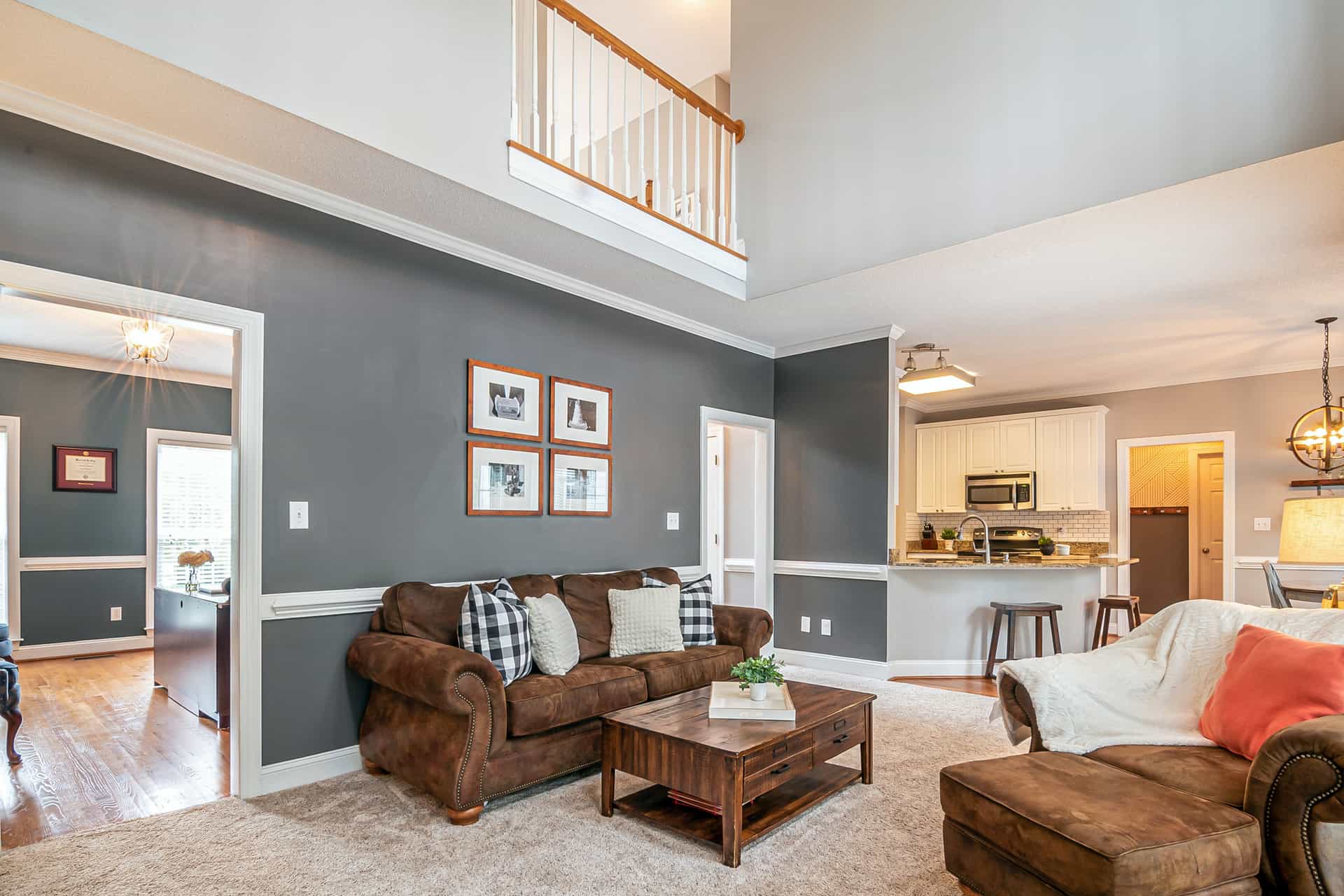
Babyproofing the living room
The living room in seven stops: TV and stand, bookcase, coffee table and corners, fireplace, cords and outlets, doors and pinch points, and the shelves, with an anchor, a TV strap, corner guards and pinch guards as the picks.
Featured: Hangman Anti-Tip Kit (TK-400)
Check price on Amazon#ad · Price set by Amazon · Affiliate disclosure for the link to Hangman Anti-Tip Kit (TK-400)

Babyproofing by Room & Stage
Babyproofing at 6 months
The 6-month plan: what a sitting, rolling baby can actually reach, the four drilling-and-screwing jobs to finish before crawling (anchors, TV, outlets, the top-of-stairs gate), and the crib and cord rules that apply today.
Featured: Hangman Anti-Tip Kit (TK-400)
Check price on Amazon#ad · Price set by Amazon · Affiliate disclosure for the link to Hangman Anti-Tip Kit (TK-400)
Babyproofing by Room & Stage
Babyproofing a rental
The rental plan room by room: what is genuinely no-drill (gates, locks, outlets, corners), what is a landlord question (anchors, the stair gate), the adhesive TV strap, window-guard laws in some cities, and clean removal at move-out.
Featured: Regalo Easy Step Safety Gate (Model 1160)
Check price on Amazon#ad · Price set by Amazon · Affiliate disclosure for the link to Regalo Easy Step Safety Gate (Model 1160)
FAQ
Questions people ask
Do I really need to anchor furniture?
What is the best way to anchor a dresser?
Can I anchor furniture without drilling?
Does a STURDY-compliant dresser still need anchoring?
Ask us
Got a hazard we haven't covered?
Tell us the room, the opening or the product you are stuck on. Reader questions decide what we research next. Email mike@blackironathletics.com or use the contact form.