04Outlet Covers, Cords & Blinds
Outlet covers and cord safety: what your house already has, and what it still needs
If your home was built after 2008 the outlets are probably tamper-resistant already. Here's how to check, what still needs covering, and the covers that don't become choking hazards.
8 guides and picks in this section · How we choose
We earn a commission if you buy through our links, at no extra cost to you. It never decides the ranking: the method is published. Affiliate disclosure
Start here
Read this first

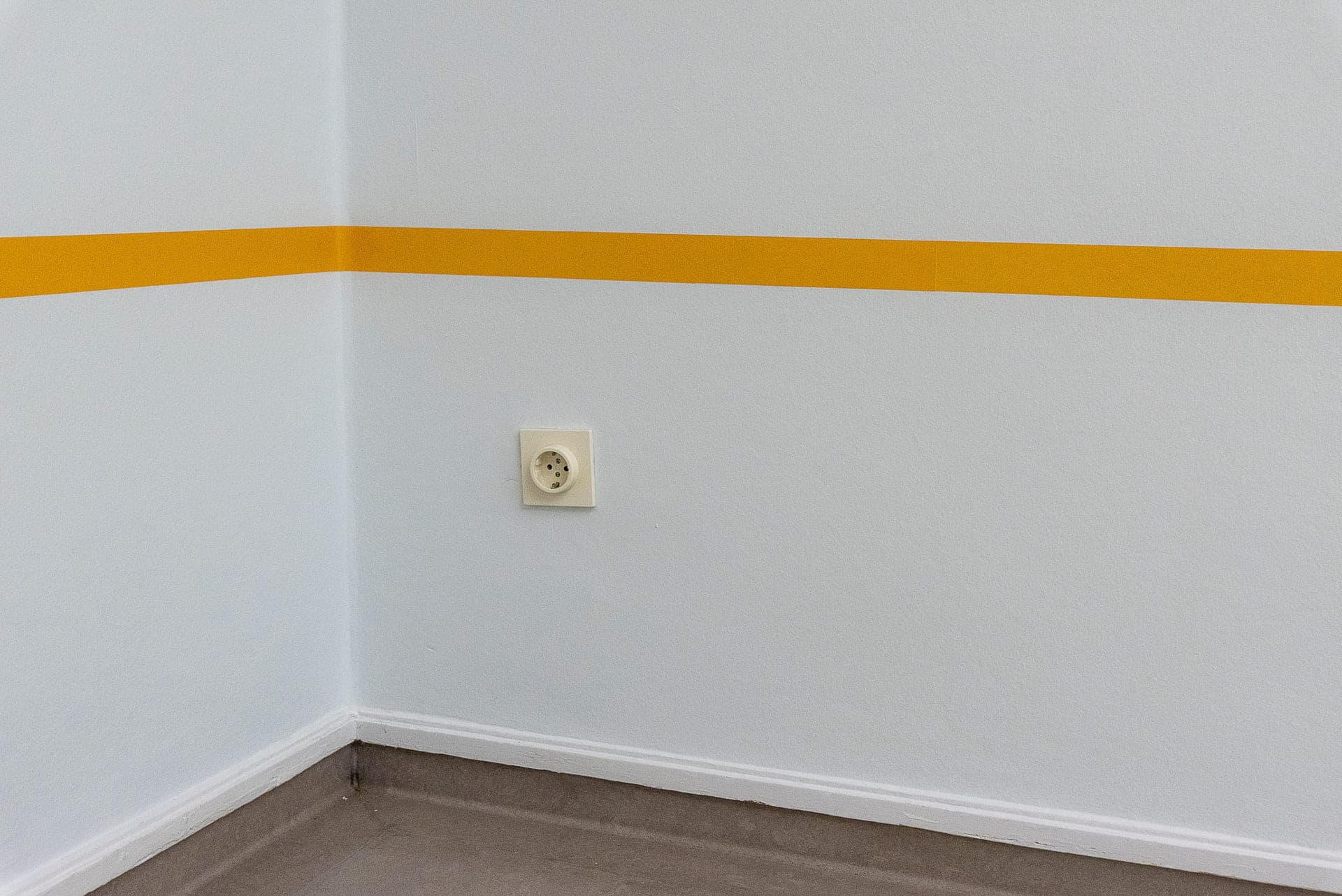
Are outlet covers necessary? Look at the outlet first: the answer may already be built in
The TR check (two letters on the outlet face), what the NEC has required since 2008 and why, the two things a TR outlet does not cover (cords and in-use plugs), and what to buy in a pre-2008 home.
Read it firstFeatured pick: Leviton T5325 15 Amp Tamper-Resistant Duplex Receptacle
#ad · Price set by Amazon · Affiliate disclosure for the link to Leviton T5325 15 Amp Tamper-Resistant Duplex Receptacle
Best picks
Ranked picks for this hazard
Best picks
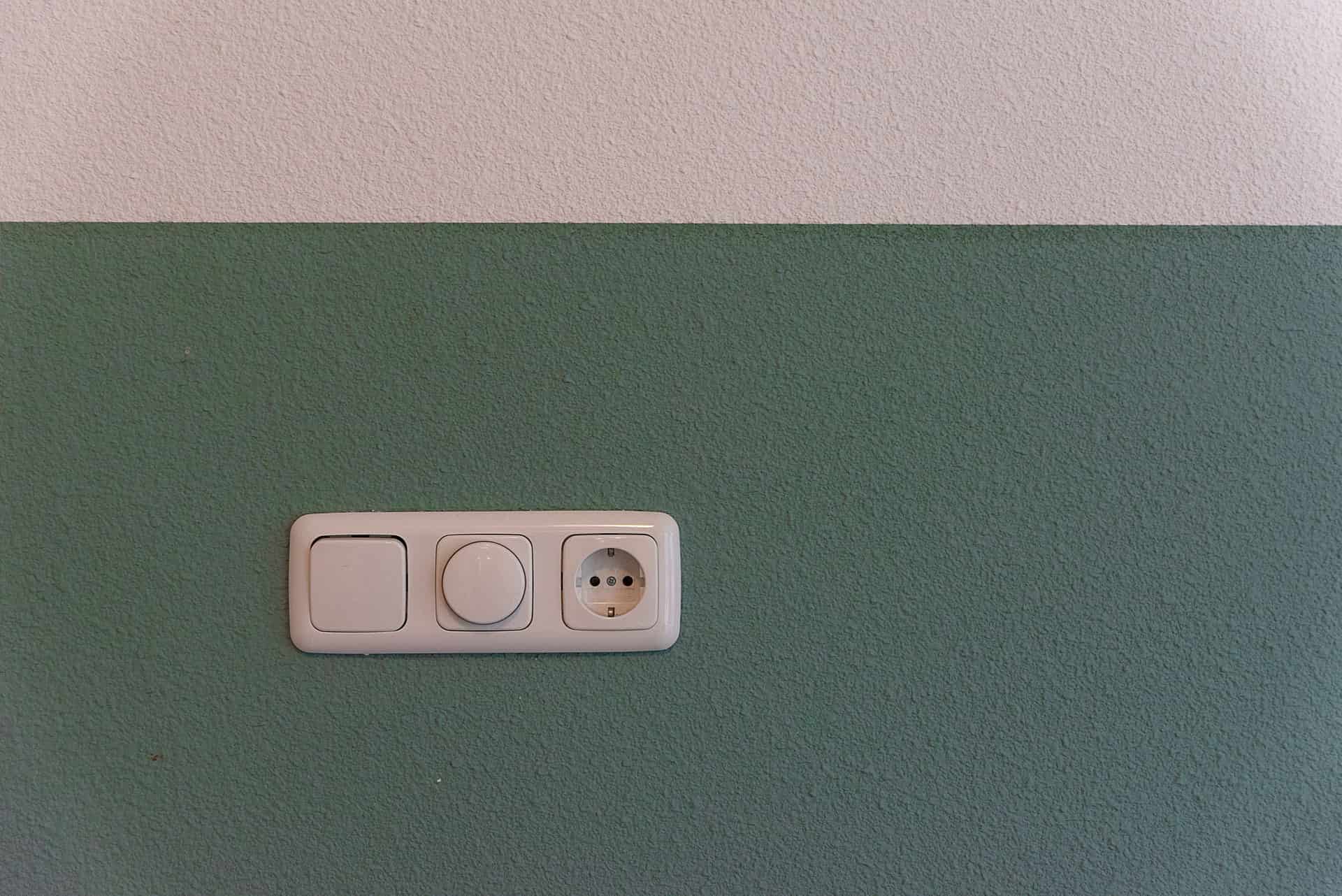
Best outlet covers
Seven ways to make an outlet safe, ranked: a UL-listed TR receptacle, two self-closing plates, an in-use box, two plug insert packs and a paintable shield for outlets you never use.
Top pick: Leviton T5325 15 Amp Tamper-Resistant Duplex Receptacle · 7 picks
Check price on Amazon#ad · Price set by Amazon · Affiliate disclosure for the link to Leviton T5325 15 Amp Tamper-Resistant Duplex Receptacle
Best picks
Best sliding outlet covers
Three self-closing sliding plates: Mommy's Helper's original Safe Plate and Safety Innovations' 12-pack for standard duplex outlets, plus the two-screw Decora version.
Top pick: Mommy's Helper Safe Plate Self-Closing Outlet Cover (Standard) · 3 picks
Check price on Amazon#ad · Price set by Amazon · Affiliate disclosure for the link to Mommy's Helper Safe Plate Self-Closing Outlet Cover (Standard)
Best picks
Best in-use outlet covers
Four covers for outlets in use: two double-lock and press-to-open boxes with room for adapters, a low-profile duplex cover, and a 13-inch power-strip box, with the breaker-off install explained.
Top pick: Wappa Baby Outlet Cover Box (2 pack) · 4 picks
Check price on Amazon#ad · Price set by Amazon · Affiliate disclosure for the link to Wappa Baby Outlet Cover Box (2 pack)
What to buy first
A flashlight, to read the face of your outlets. If the receptacle has the letters "TR" molded between the slots, it is tamper-resistant: spring-loaded shutters inside that only open when both prongs push together, so a hairpin in one slot meets a closed door. The National Electrical Code has required TR receptacles in new and renovated homes since the 2008 edition, and ESFI counts roughly 2,400 children a year treated in emergency rooms for outlet injuries. If your outlets say TR, the outlet half of this hub is done and the money goes to cords. If they do not, the first purchase is a self-closing sliding plate for every outlet a child can reach, not a bag of plug inserts; the reasoning is are outlet covers necessary, and the ranked covers are best outlet covers for babyproofing.
How the category divides
Four products, for four situations. A plug insert is a plastic cap that fills an empty outlet; cheapest, easiest, and the one a toddler eventually pries out and puts in their mouth, which is why the CPSC's childproofing guidance warns that a removed plug can choke a child. A sliding plate replaces the wall plate with one screw and closes itself the moment a plug comes out; nothing to lose, nothing to pry, per best sliding outlet covers and the head-to-head in plug inserts vs sliding outlet covers. An in-use box cover is a hinged shell over an outlet that has something plugged in, for the lamp, the monitor and the kitchen counter, per best outlet covers for plugs in use. And a TR receptacle is the outlet itself replaced, which is the permanent answer and the one that costs a screwdriver and a breaker switch; the decision is tamper-resistant outlets vs outlet covers and the swap itself is how to replace an outlet with a tamper-resistant one. Cords are the other half of the hub and a different hazard: pulling, chewing and strangulation rather than shock, covered in how to babyproof cords, with the blind cords filed under windows.
What decides the price
The per-outlet cost runs from cents to a few dollars, and the whole house is under $50 whichever way you go. Plug inserts list $5.99 for 36 at Safety 1st and $8.99 for 32 at Jool or Wappa; a self-closing plate is sold from singles to 25-packs with the per-cover price dropping as the count rises; an in-use box lists $14.99 at Jool and $18.99 at Wappa; a power-strip box $19.99 at Wappa. A Leviton TR receptacle is a hardware-store item and the only product here with a UL listing and a code section behind it. What you pay for, going up that list, is the removal of a failure mode: inserts can be pried, plates cannot; plates can be left off, receptacles cannot; and the box cover is the only one that protects an outlet that is in use. Prices are maker list prices on the day we checked, linked on each spec table; Amazon sets its own.
The common mistake
Buying a 50-pack of plug inserts, filling every outlet in the house, and calling the job done. The inserts come out when you vacuum, they go back in half the time, and the ones that stay in are the ones a two-year-old learns to remove. The second mistake is covering the outlets and ignoring the cords: the phone charger dangling from the nightstand, the lamp cord behind the sofa, the power strip under the desk with six things in it. A power strip in a locked box and cords run through a cover or behind the furniture do more for a crawler than the fiftieth insert. The third is replacing receptacles without turning off the breaker, which is not a babyproofing mistake so much as a general one. If the house is newer than about 2008 and the outlets say TR, the mistake is spending anything on covers at all.
Head to head
Comparisons
Head to head
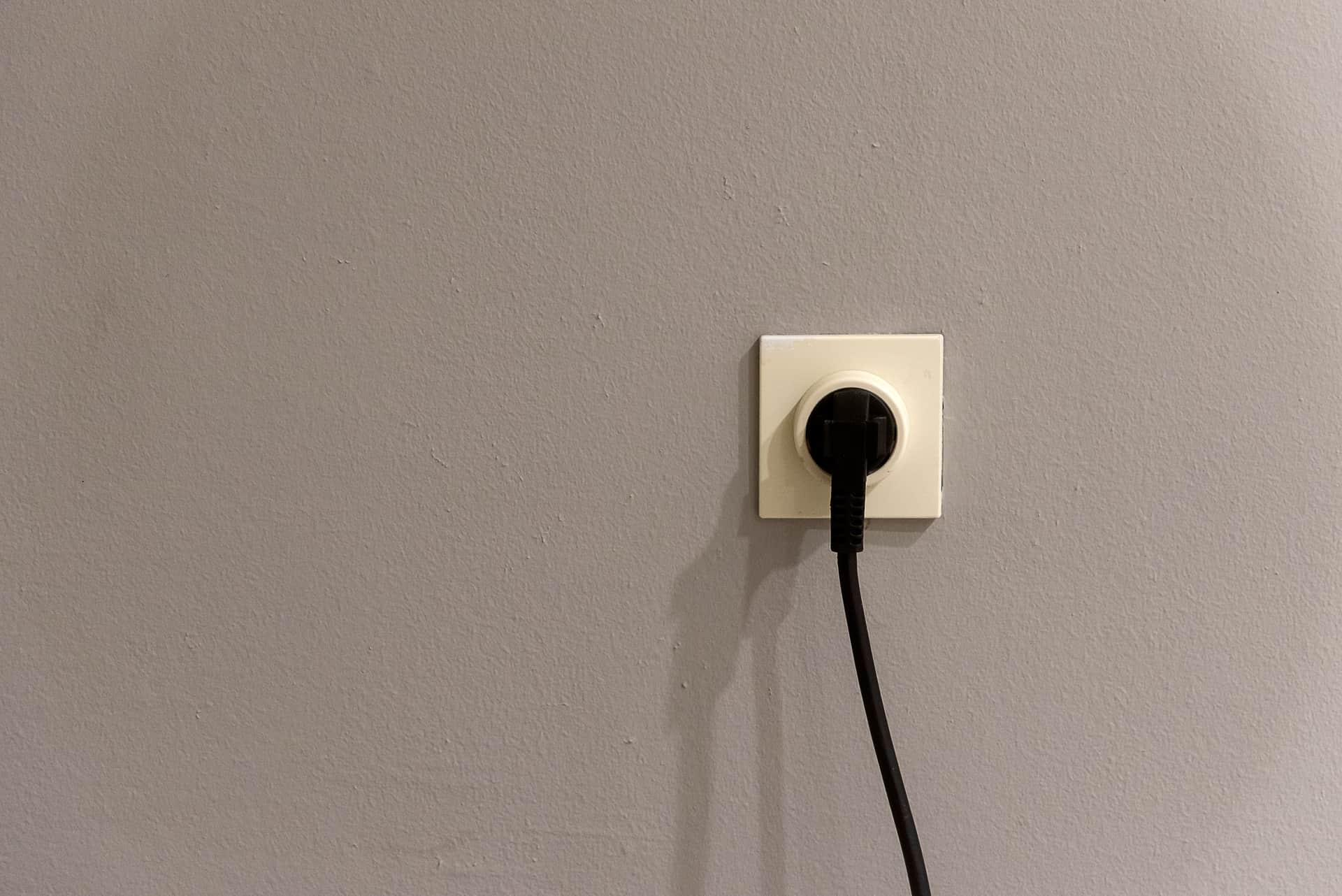
TR outlets vs covers
A Leviton TR receptacle against Mommy's Helper's sliding plate and Safety 1st's plug inserts: mechanism, standards, install, resistance, cost per outlet, and a decision rule by who is holding the screwdriver.
Featured: Leviton T5325 15 Amp Tamper-Resistant Duplex Receptacle
Check price on Amazon#ad · Price set by Amazon · Affiliate disclosure for the link to Leviton T5325 15 Amp Tamper-Resistant Duplex Receptacle
Head to head
Plug inserts vs sliding covers
The cheapest outlet cover against the self-closing plate: mechanism, removability, the choking question, cost per outlet, and which outlets each honestly belongs on.
Featured: Mommy's Helper Safe Plate Self-Closing Outlet Cover (Standard)
Check price on Amazon#ad · Price set by Amazon · Affiliate disclosure for the link to Mommy's Helper Safe Plate Self-Closing Outlet Cover (Standard)
Guides
Guides: how to install it, and whether you need it
Guide
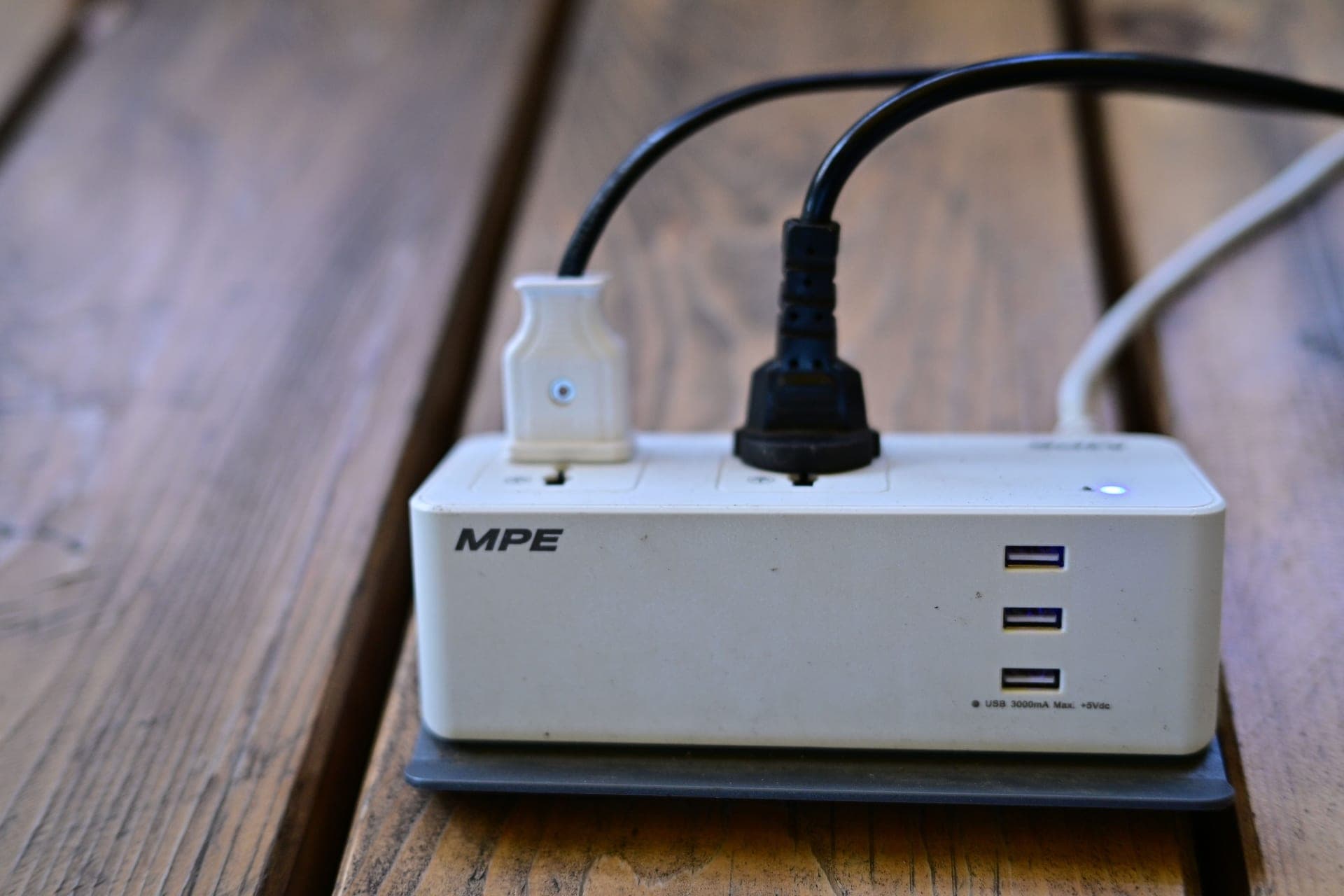
How to babyproof cords
Cord safety in four hazards with a fix for each: shorten and route cords, box the power strip, lock plugs in use, raceways along the baseboard, and the separate rules for blind cords.
Featured: Wappa Baby Power Strip Cover Box (13 in)
Check price on Amazon#ad · Price set by Amazon · Affiliate disclosure for the link to Wappa Baby Power Strip Cover Box (13 in)
Guide
Replacing an outlet with a TR one
The permanent outlet fix: how to tell a TR receptacle from a plain one, who should and should not do the swap, the breaker-off and tester steps, wiring the new receptacle, and the sliding plate for the outlets you leave for later.
Featured: Leviton T5325 15 Amp Tamper-Resistant Duplex Receptacle
Check price on Amazon#ad · Price set by Amazon · Affiliate disclosure for the link to Leviton T5325 15 Amp Tamper-Resistant Duplex Receptacle
Filed elsewhere, written for you
Also worth reading

Windows, Doors, Fireplace & Edges
Blind cord safety
Window-cord strangulation in the CPSC's numbers, the 2022 federal standard for custom window coverings, the free fixes for the blinds you already own (cut the loop, move the crib), and the wind-ups as the bridge to cordless.
Featured: Dreambaby Blind Cord Wind-Ups (Model L131, 6 count)
Check price on Amazon#ad · Price set by Amazon · Affiliate disclosure for the link to Dreambaby Blind Cord Wind-Ups (Model L131, 6 count)

Babyproofing by Room & Stage
Babyproofing for a crawler
The crawling-stage plan: the knee-height walk, the six hazards a crawler meets first, room by room, and the four products that cover the top of the injury list.
Featured: Hangman Anti-Tip Kit (TK-400)
Check price on Amazon#ad · Price set by Amazon · Affiliate disclosure for the link to Hangman Anti-Tip Kit (TK-400)
Cabinet Locks & Kitchen Safety
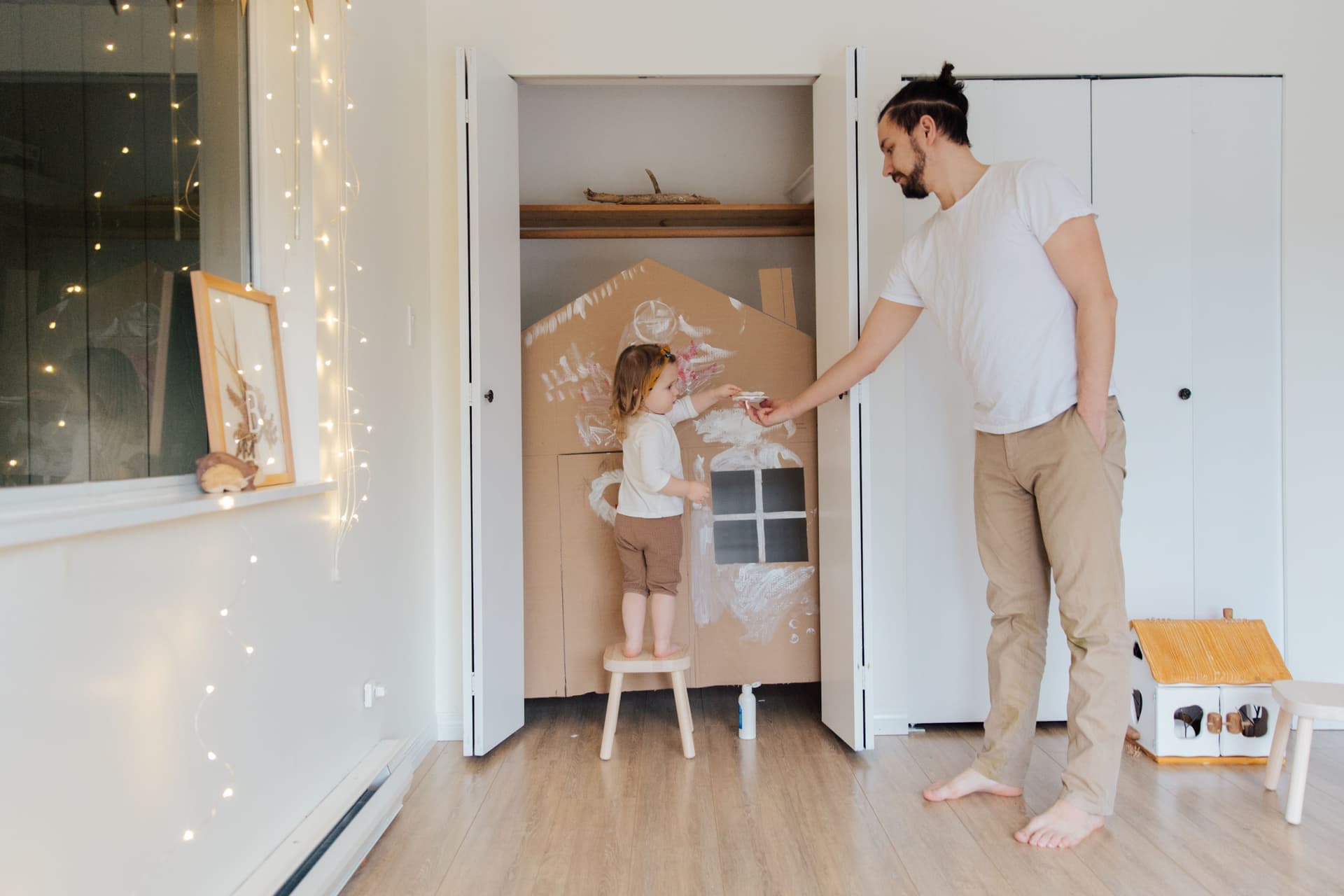
Babyproofing the kitchen
The kitchen, hazard by hazard from the floor up: under-sink chemicals, drawers, stove and oven, trash and island, dishwasher and appliances, outlets, cords and the doorway, with one pick per job.
Featured: Safety 1st Secure-to-Explore Adhesive Magnetic Locks (20 locks, 2 keys)
Check price on Amazon#ad · Price set by Amazon · Affiliate disclosure for the link to Safety 1st Secure-to-Explore Adhesive Magnetic Locks (20 locks, 2 keys)
FAQ
Questions people ask
Are outlet covers necessary if I have tamper-resistant outlets?
Which outlet cover is safest?
How do I cover an outlet that always has something plugged in?
What is the biggest cord hazard for a baby?
Ask us
Got a hazard we haven't covered?
Tell us the room, the opening or the product you are stuck on. Reader questions decide what we research next. Email mike@blackironathletics.com or use the contact form.