01Baby Gates & Stair Safety
Baby gates: the right type for the top of the stairs, the doorway and the wide opening
A gate is only as safe as its mount. Here's which type goes where, what the standard actually requires, and the gates that fit a banister, a baseboard or a 60-inch kitchen opening without a workaround.
13 guides and picks in this section · How we choose

We earn a commission if you buy through our links, at no extra cost to you. It never decides the ranking: the method is published. Affiliate disclosure
Start here
Read this first

Best baby gates for stairs: the hardware gates that belong at the top, and what to use at the bottom
Seven hardware-mounted gates for the top and bottom of stairs, from the angle-mount Cardinal SS-30 to a certified retractable, with the banister and no-drill options flagged.
Read it firstFeatured pick: Cardinal Gates SS-30 Stairway Special
#ad · Price set by Amazon · Affiliate disclosure for the link to Cardinal Gates SS-30 Stairway Special
Best picks
Ranked picks for this hazard
Best picks
Best baby gates
Seven gates across both mount types, led by Regalo's certified Easy Step for doorways and the Cardinal SS-30 and Toddleroo Easy Swing & Lock for stairs.
Top pick: Regalo Easy Step Safety Gate (Model 1160) · 7 picks
Check price on Amazon#ad · Price set by Amazon · Affiliate disclosure for the link to Regalo Easy Step Safety Gate (Model 1160)
Best picks
Best pressure-mounted gates
Five no-drill doorway gates, led by Regalo's certified Easy Step, with auto-close and push-to-close options and the wall-cup rule explained.
Top pick: Regalo Easy Step Safety Gate (Model 1160) · 5 picks
Check price on Amazon#ad · Price set by Amazon · Affiliate disclosure for the link to Regalo Easy Step Safety Gate (Model 1160)

Best picks
Best retractable gates
Three mesh retractable gates: Retract-A-Gate, the only one here certified for the top and bottom of stairs, plus a 71-inch budget option and a doorway gate.
Top pick: Retract-A-Gate 52 in Retractable Gate · 3 picks
Check price on Amazon#ad · Price set by Amazon · Affiliate disclosure for the link to Retract-A-Gate 52 in Retractable Gate
Best picks
Best extra-wide gates
Five gates from 46 to 192 inches: a certified 49-inch pressure gate, two multi-panel steel barriers, an angled configurable gate and a budget auto-close.
Top pick: Regalo Easy Step Extra Wide Safety Gate (Model 1164) · 5 picks
Check price on Amazon#ad · Price set by Amazon · Affiliate disclosure for the link to Regalo Easy Step Extra Wide Safety Gate (Model 1164)
What to buy first
If there are stairs in the house, the top-of-stairs gate comes before any other gate and before most other babyproofing. It is the one gate the standard itself restricts: since the 2022 federal rule adopted ASTM F1004 as mandatory, every pressure-mounted gate must carry a label saying it is not for the top of stairs, because a pressure gate can be pushed out of its opening by a child leaning on it. So the first purchase is a hardware-mounted gate, screwed into the wall or into a banister adapter, with no bottom bar to trip an adult carrying a baby down, and with a stop that keeps it from swinging out over the drop. That ranking is best baby gates for stairs. The bottom of the stairs, the kitchen doorway and the hallway can take a pressure gate, and those come second; the all-purpose ranking is best baby gates.
How the category divides
Every gate on this site sorts by mount, then by width, then by shape. The mount is the safety decision: hardware gates screw in and hold; pressure gates wedge in and can be dislodged; retractable gates are hardware-mounted mesh that rolls away. Pressure-mounted vs hardware-mounted baby gates is the decision in one page. The width is the fit problem: a standard doorway is 29 to 36 inches, a kitchen or living room opening can run 40 to 70, and an open-plan house needs a configurable panel gate or a play yard, per best extra-wide baby gates and baby gate vs play yard. The shape is the install problem: an angled banister, a stairway with one wall and one post, a hallway with no square corners. Those get their own pages: baby gates for banisters, a gate for stairs with one wall, and baby gates for stairs without drilling, which is the renter's version. Retractables, which solve width and walk-through at the cost of a fabric panel, are ranked in best retractable baby gates.
What decides the price
Material and hardware, not safety. A certified pressure gate from Regalo lists about $51 on its maker's site; a hardware stair gate from KidCo or Toddleroo lists $70 to $80; a configurable panel gate or a hearth gate lists $200 to $280; a play yard with a door lists $80 to $170. The extra money buys steel over plastic, a wider range without buying extensions, a one-hand latch that actually works one-handed, an auto-close hinge, and the angle-mount hardware for a banister. It does not buy a higher safety standard: the ASTM F1004 certification a $50 gate states is the same one a $250 gate states, and gates at every price state nothing at all. What the standard covers and where it is silent is in baby gate safety standards explained. Height is the other price lever: the standard 30-inch gate is fine until about age two, and the 36-inch versions cost more and matter for a climber, per how tall should a baby gate be.
The common mistake
Putting a pressure gate at the top of the stairs because it was easier than drilling. The second most common is mounting a hardware gate into drywall alone, with the plastic anchors from the box, instead of into a stud or a solid banister; the third is skipping the wall cups a pressure gate ships with, which is the difference between a gate that holds and one that walks out of the opening over a week of use. Every one of these is a ten-minute fix, and how to install a baby gate walks all three. One more: gates get taken down when the child seems to have outgrown them. The federal standard covers gates as products intended for children 6 to 24 months, and the day a two-year-old starts climbing one, it is more hazard than barrier and should come down or be replaced with a taller one.
Head to head
Comparisons
Head to head
Pressure vs hardware gates
The two gate types head to head, with a certified pressure gate and a JPMA-certified hardware gate as the examples, and a decision rule you can apply to every opening in the house.
Featured: Cardinal Gates SS-30 Stairway Special
Check price on Amazon#ad · Price set by Amazon · Affiliate disclosure for the link to Cardinal Gates SS-30 Stairway Special
Head to head
Baby gate vs play yard
Gate versus play yard, decided by floor plan and stage, with a certified doorway gate, a 3-in-1 steel barrier that does both jobs, and a freestanding plastic play space compared.
Featured: Toddleroo by North States 3-in-1 Metal Superyard
Check price on Amazon#ad · Price set by Amazon · Affiliate disclosure for the link to Toddleroo by North States 3-in-1 Metal Superyard
Guides
Guides: how to install it, and whether you need it
Guide
Baby gates for banisters
Three banister situations solved: a gate that includes a banister kit, a budget gate with a universal kit, a strap-on adapter for any gate, and the net for wide-spaced balusters.
Featured: Summer by Ingenuity Stairway+ 46W Series Gate
Check price on Amazon#ad · Price set by Amazon · Affiliate disclosure for the link to Summer by Ingenuity Stairway+ 46W Series Gate
Guide
Gate for stairs with one wall
The four things that can be on the open side of a staircase (a newel post, a half-wall, balusters, nothing) and what each needs before a hardware gate can attach, with the three products that cover most of them.
Featured: Cardinal Gates SS-30 Stairway Special
Check price on Amazon#ad · Price set by Amazon · Affiliate disclosure for the link to Cardinal Gates SS-30 Stairway Special
Guide
Stair gates without drilling
The honest no-drill map for a staircase: strap-on banister adapters at the top, pressure gates with adhesive cups at the bottom, and the small holes most leases allow anyway.
Featured: Perma Child Safety Extra Tall Banister Adapter Kit
Check price on Amazon#ad · Price set by Amazon · Affiliate disclosure for the link to Perma Child Safety Extra Tall Banister Adapter Kit
Guide
How to install a baby gate
Step-by-step for both gate types: finding wood, mounting on an angle, setting the one-way stop, screwing in wall cups, and what to do about baseboards and banisters.
Featured: Cardinal Gates SS-30 Stairway Special
Check price on Amazon#ad · Price set by Amazon · Affiliate disclosure for the link to Cardinal Gates SS-30 Stairway Special

Guide
How tall should a gate be
Gate height decoded: the 22-inch standard minimum, the 29-to-32-inch norm, the 36-inch extra-tall option, the gap underneath, and three gates at three heights.
Featured: Babelio PressGuard C5 Pressure Mounted Gate
Check price on Amazon#ad · Price set by Amazon · Affiliate disclosure for the link to Babelio PressGuard C5 Pressure Mounted Gate

Filed elsewhere, written for you
Also worth reading
Babyproofing by Room & Stage
Babyproofing for a crawler
The crawling-stage plan: the knee-height walk, the six hazards a crawler meets first, room by room, and the four products that cover the top of the injury list.
Featured: Hangman Anti-Tip Kit (TK-400)
Check price on Amazon#ad · Price set by Amazon · Affiliate disclosure for the link to Hangman Anti-Tip Kit (TK-400)
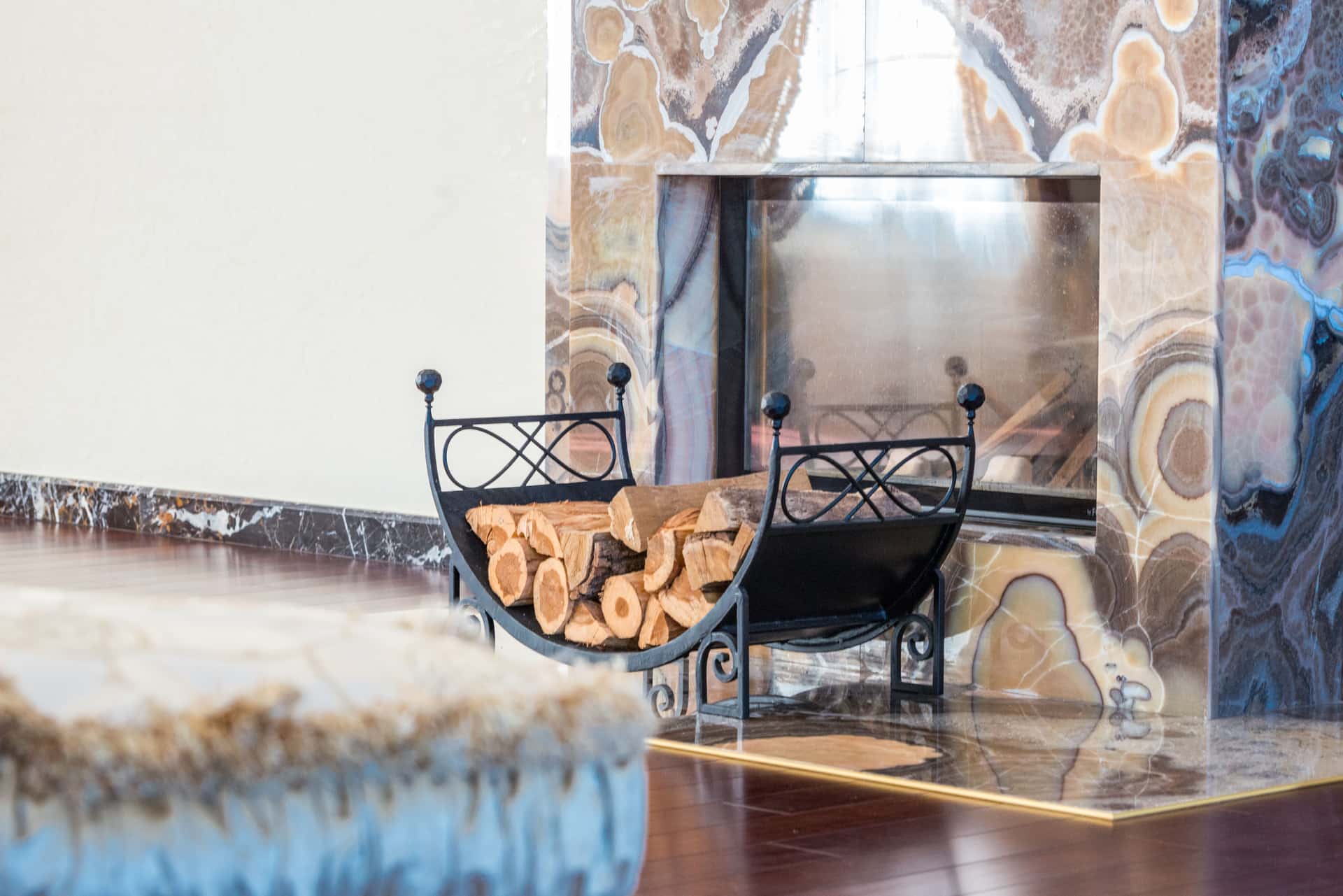
Windows, Doors, Fireplace & Edges
Best fireplace baby gates
Four hearth barriers: two certified multi-panel gates that convert to play yards, KidCo's purpose-built HearthGate with a movable door, and an angled ConfigureGate for odd layouts, with the standoff rule.
Top pick: Toddleroo by North States 3-in-1 Metal Superyard · 4 picks
Check price on Amazon#ad · Price set by Amazon · Affiliate disclosure for the link to Toddleroo by North States 3-in-1 Metal Superyard
Babyproofing by Room & Stage
Babyproofing a rental
The rental plan room by room: what is genuinely no-drill (gates, locks, outlets, corners), what is a landlord question (anchors, the stair gate), the adhesive TV strap, window-guard laws in some cities, and clean removal at move-out.
Featured: Regalo Easy Step Safety Gate (Model 1160)
Check price on Amazon#ad · Price set by Amazon · Affiliate disclosure for the link to Regalo Easy Step Safety Gate (Model 1160)
FAQ
Questions people ask
What kind of baby gate is safe for the top of stairs?
Can I use a baby gate without drilling?
How wide a gate do I need?
When should I take the baby gate down?
Ask us
Got a hazard we haven't covered?
Tell us the room, the opening or the product you are stuck on. Reader questions decide what we research next. Email mike@blackironathletics.com or use the contact form.