02Cabinet Locks & Kitchen Safety
Childproofing cabinets and drawers: the lock that actually holds on your doors
The kitchen has more poisons, blades and hot things than any other room. This is how the lock types divide, which ones survive a 2-year-old, and which ones survive your cabinet finish.
9 guides and picks in this section · How we choose
We earn a commission if you buy through our links, at no extra cost to you. It never decides the ranking: the method is published. Affiliate disclosure
Start here
Read this first
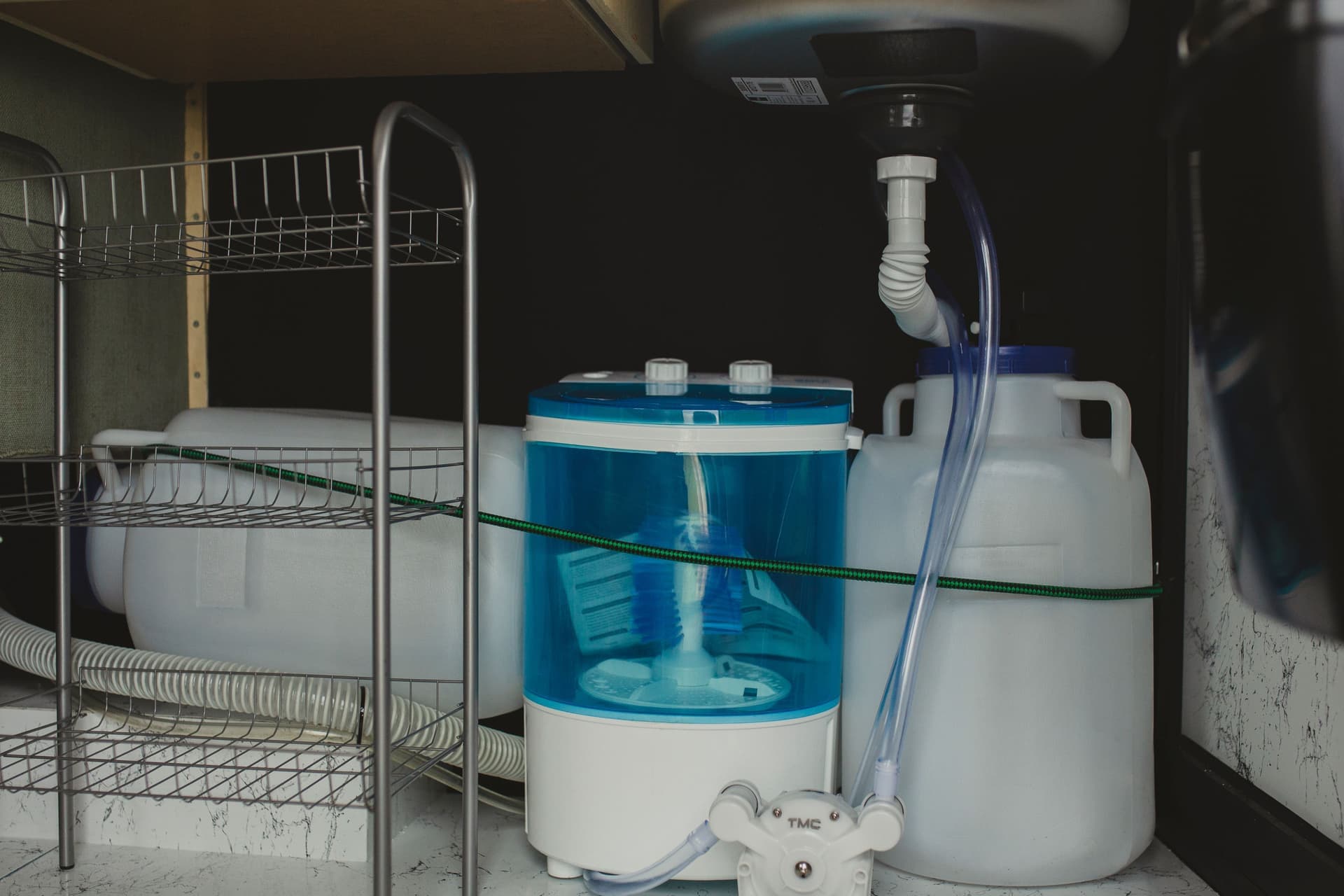
Best cabinet locks for babyproofing: the lock that holds on your doors, and the one a two-year-old opens
Eight cabinet locks across all five types, led by the only magnetic set whose maker states JPMA certification, with the no-drill, no-adhesive and screw-in options ranked beside it.
Read it firstFeatured pick: Safety 1st Secure-to-Explore Adhesive Magnetic Locks (20 locks, 2 keys)
#ad · Price set by Amazon · Affiliate disclosure for the link to Safety 1st Secure-to-Explore Adhesive Magnetic Locks (20 locks, 2 keys)
Best picks
Ranked picks for this hazard
Best picks
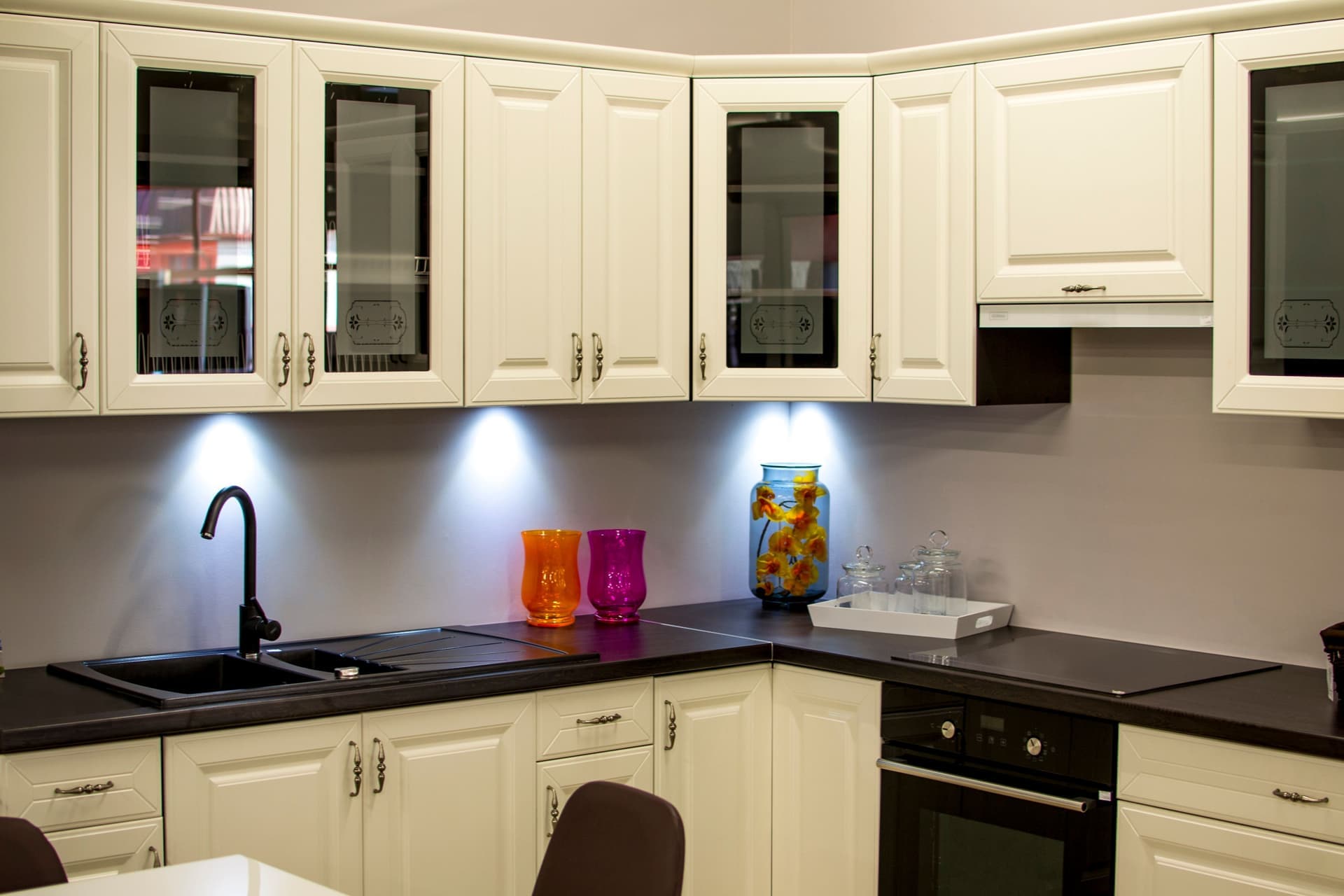
Best magnetic cabinet locks
Six magnetic cabinet lock sets, from the JPMA-certified Safety 1st to the long-running Jambini, compared on key reach, adhesive, screws and cure time.
Top pick: Safety 1st Secure-to-Explore Adhesive Magnetic Locks (20 locks, 2 keys) · 6 picks
Check price on Amazon#ad · Price set by Amazon · Affiliate disclosure for the link to Safety 1st Secure-to-Explore Adhesive Magnetic Locks (20 locks, 2 keys)
Best picks
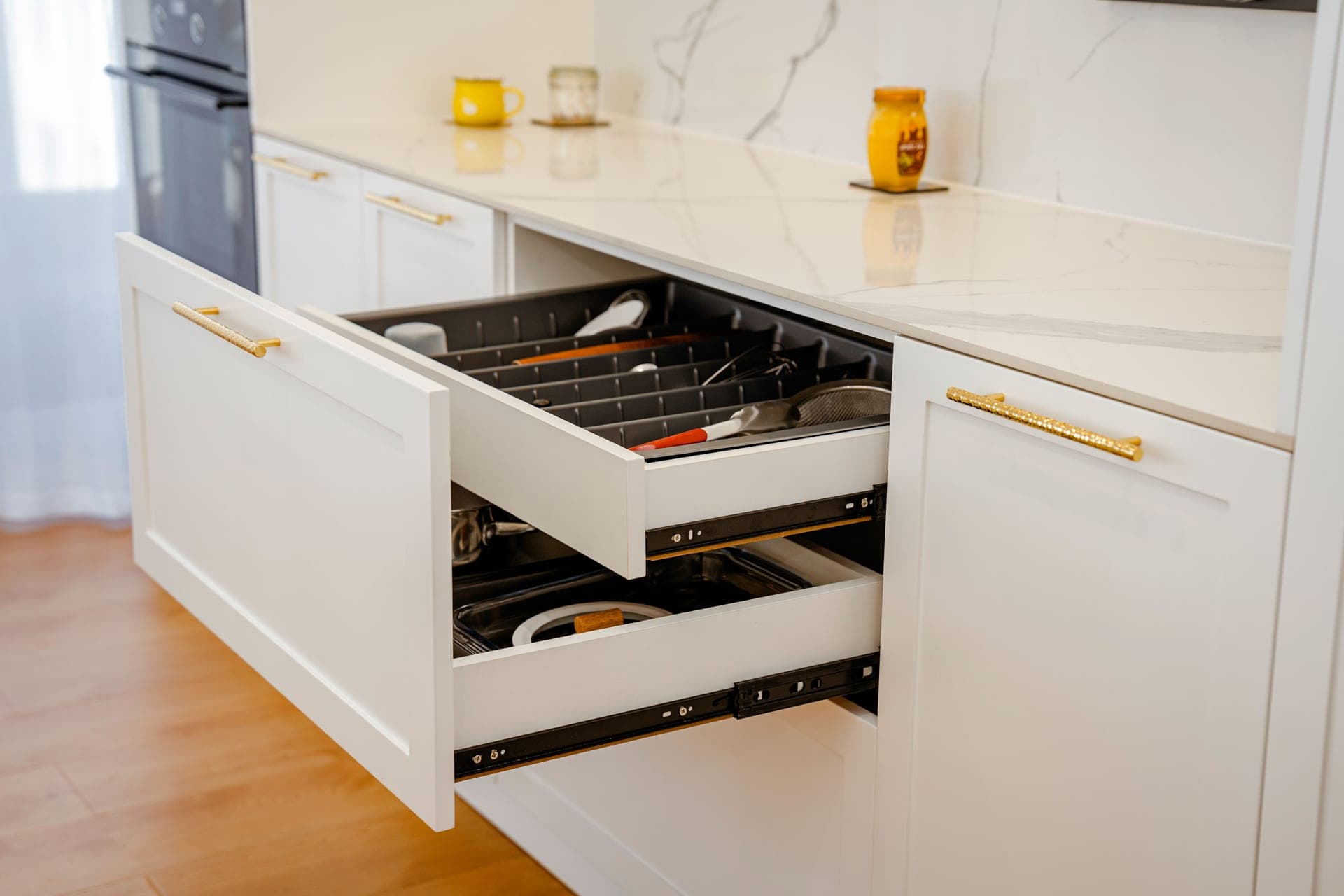
Best drawer locks
Six drawer locks ranked for the yank: two magnetic sets with screws in the box, a double-lock strap, an adhesive latch and two screw-in spring latches.
Top pick: Roving Cove Magnetic Cabinet Drawer Lock (8 locks, 2 ring keys) · 6 picks
Check price on Amazon#ad · Price set by Amazon · Affiliate disclosure for the link to Roving Cove Magnetic Cabinet Drawer Lock (8 locks, 2 ring keys)
Best picks
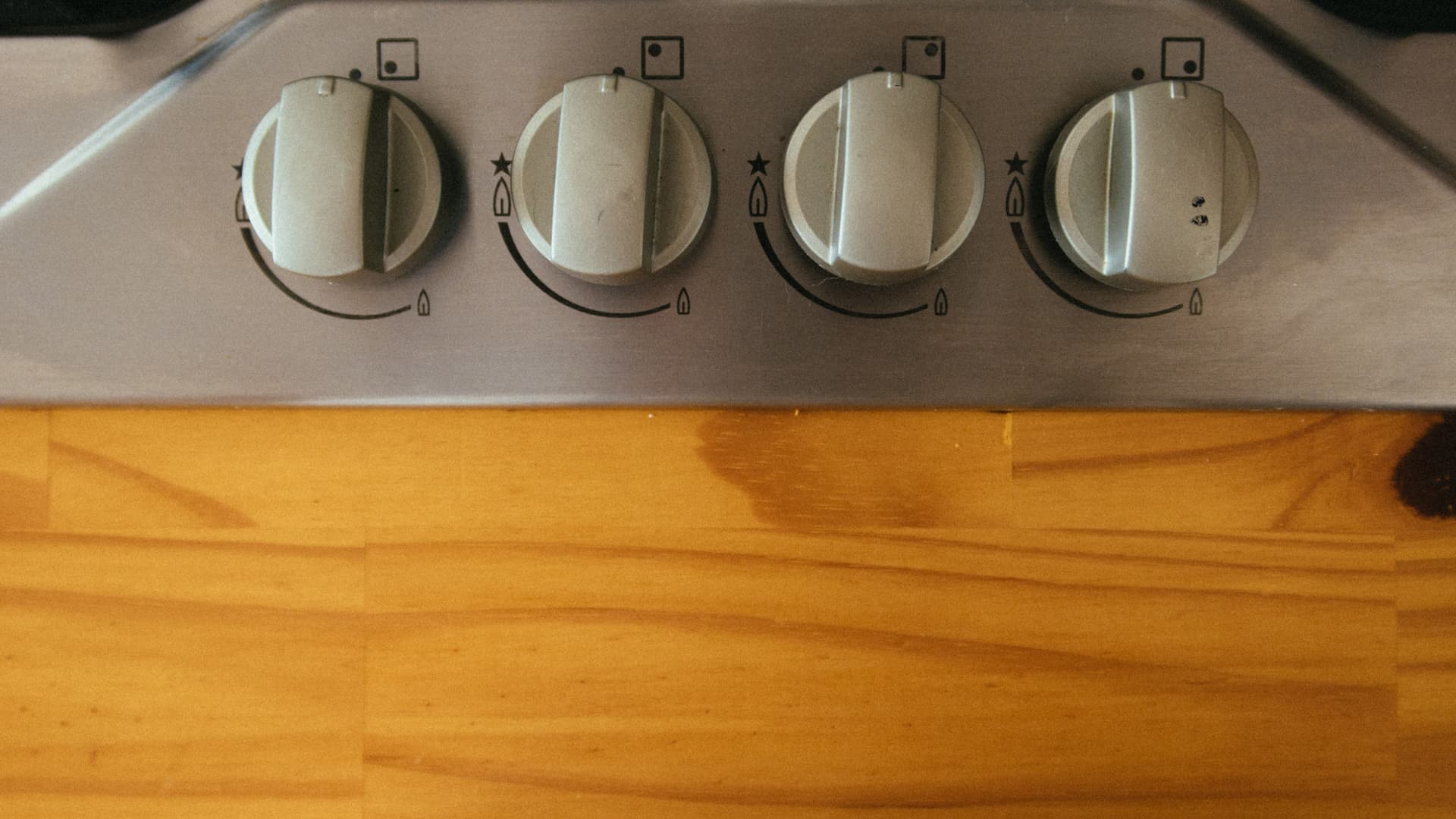
Best stove knob covers
Five kitchen burn preventers: two snap-on knob cover sets, two adhesive oven-door locks (one with a heat rating, one with an indicator) and a clear cooktop-edge guard.
Top pick: Jool Baby Stove Knob Covers (5 pack) · 5 picks
Check price on Amazon#ad · Price set by Amazon · Affiliate disclosure for the link to Jool Baby Stove Knob Covers (5 pack)
What to buy first
Nothing, for the first ten minutes: move the cleaners, the dishwasher pods, the medicines and the knives above 5 feet. Poison Control's 2024 data puts household cleaning substances at the top of the exposure list for children under six, and most of those substances live under the kitchen sink at the exact height of a sitting baby. Once the worst of it is high, the first lock goes on whatever is left under the sink, the second on the knife drawer, and the third on the cabinet with the trash. The product for those three is almost always a magnetic lock: it mounts inside, needs a key to open, and leaves nothing on the outside of the door for a child to work at. The ranking that covers every lock type is best cabinet locks for babyproofing, and the magnetic sets on their own are in best magnetic cabinet locks.
How the category divides
Cabinet locks divide by where they mount and what they mount to. Inside the door: magnetic locks and spring latches, both invisible from outside, one keyed and one not. Outside the door: adhesive strap locks and slide locks, both visible, both cheap, one for anything with a flat surface and one for paired handles. The whole taxonomy, with what each type is bad at, is cabinet lock types explained; the head-to-head most people actually need is magnetic vs adhesive cabinet locks. Then the fit problem: knobs, D-handles and handleless doors each want a different lock, which is cabinet locks for knobs, handles and no hardware. Drawers are their own case because a child pulls a drawer with their whole weight, which is why best drawer locks ranks separately. And the stove is a different product entirely: knob covers, an oven lock and a stove guard, compared in best stove knob covers, oven locks and stove guards.
What decides the price
Count, mount and certification. A four-pack of strap locks lists around $8 to $10 at Jool or Wappa; a four-pack of Jool slide locks $7.99; a 12-lock magnetic set from Baby Proof Me lists $29.95, and a 20-lock set from Safety 1st $59.99, which is the highest price per lock on the site and buys the only JPMA certification statement we found among magnetic sets. Spring latches are cheapest of all, at about $5.49 for ten from Safety 1st, and they are the type the 80-piece kits are padded with. Stove knob covers run $9.99 for five at Jool; an oven lock $4.90 at Perma; a stove guard $24.99 at Prince Lionheart. The expensive line item is not any product but the adhesive's failure: a magnetic lock that comes off a cabinet in month three is a lock you buy twice, and the ones that come with optional screws are the ones that do not. Every price above is the maker's list price on the day we checked, linked on the product's spec table; Amazon sets its own.
The common mistake
Locking everything. A kitchen with twenty locked doors is one where the adults stop using the locks, and a lock that is left open is worse than none because it teaches you it is there. Lock the cabinets with chemicals, knives, glass and the trash, give the child one drawer of their own with plastic and dish towels in it, and leave the rest. The second mistake is trusting adhesive on the day it goes on: Baby Proof Me, the one maker that publishes a cure time, says 24 hours before the lock is loaded, and a lock yanked an hour after install is the classic failure. The third is putting a spring latch on a drawer; the latch is fine on a door and gets pulled out of a drawer. And renters skip the kitchen because they think it needs screws; it does not, per babyproof cabinets without drilling. The room in one walk, from the floor up, is babyproofing the kitchen.
Head to head
Comparisons
Head to head
Magnetic vs adhesive locks
The two most common cabinet lock types head to head, using Safety 1st's magnetic and adhesive sets from the same maker, plus the strap lock that covers what neither can.
Featured: Safety 1st Secure-to-Explore Adhesive Magnetic Locks (20 locks, 2 keys)
Check price on Amazon#ad · Price set by Amazon · Affiliate disclosure for the link to Safety 1st Secure-to-Explore Adhesive Magnetic Locks (20 locks, 2 keys)
Head to head
Locks by cabinet hardware
Slide locks for paired knobs and handles, in two brands, against a magnetic lock that does not care what is on the door; with the hardware-by-hardware rules and a spacing limit to measure.
Featured: Jool Baby Sliding Cabinet Locks (4 pack)
Check price on Amazon#ad · Price set by Amazon · Affiliate disclosure for the link to Jool Baby Sliding Cabinet Locks (4 pack)
Guides
Guides: how to install it, and whether you need it
Guide
Cabinets without drilling
The no-screw cabinet plan for renters: slide locks first, then adhesive magnetic and exterior locks with a published cure time, plus the finishes that reject tape and how to remove everything cleanly.
Featured: Jool Baby Sliding Cabinet Locks (4 pack)
Check price on Amazon#ad · Price set by Amazon · Affiliate disclosure for the link to Jool Baby Sliding Cabinet Locks (4 pack)
Guide
Cabinet lock types explained
All five childproof cabinet lock mechanisms in one place, each with how it works, what it needs from the cabinet, how it fails, and one representative pick.
Featured: Safety 1st Secure-to-Explore Adhesive Magnetic Locks (20 locks, 2 keys)
Check price on Amazon#ad · Price set by Amazon · Affiliate disclosure for the link to Safety 1st Secure-to-Explore Adhesive Magnetic Locks (20 locks, 2 keys)
Guide
Babyproofing the kitchen
The kitchen, hazard by hazard from the floor up: under-sink chemicals, drawers, stove and oven, trash and island, dishwasher and appliances, outlets, cords and the doorway, with one pick per job.
Featured: Safety 1st Secure-to-Explore Adhesive Magnetic Locks (20 locks, 2 keys)
Check price on Amazon#ad · Price set by Amazon · Affiliate disclosure for the link to Safety 1st Secure-to-Explore Adhesive Magnetic Locks (20 locks, 2 keys)
Filed elsewhere, written for you
Also worth reading
Outlet Covers, Cords & Blinds
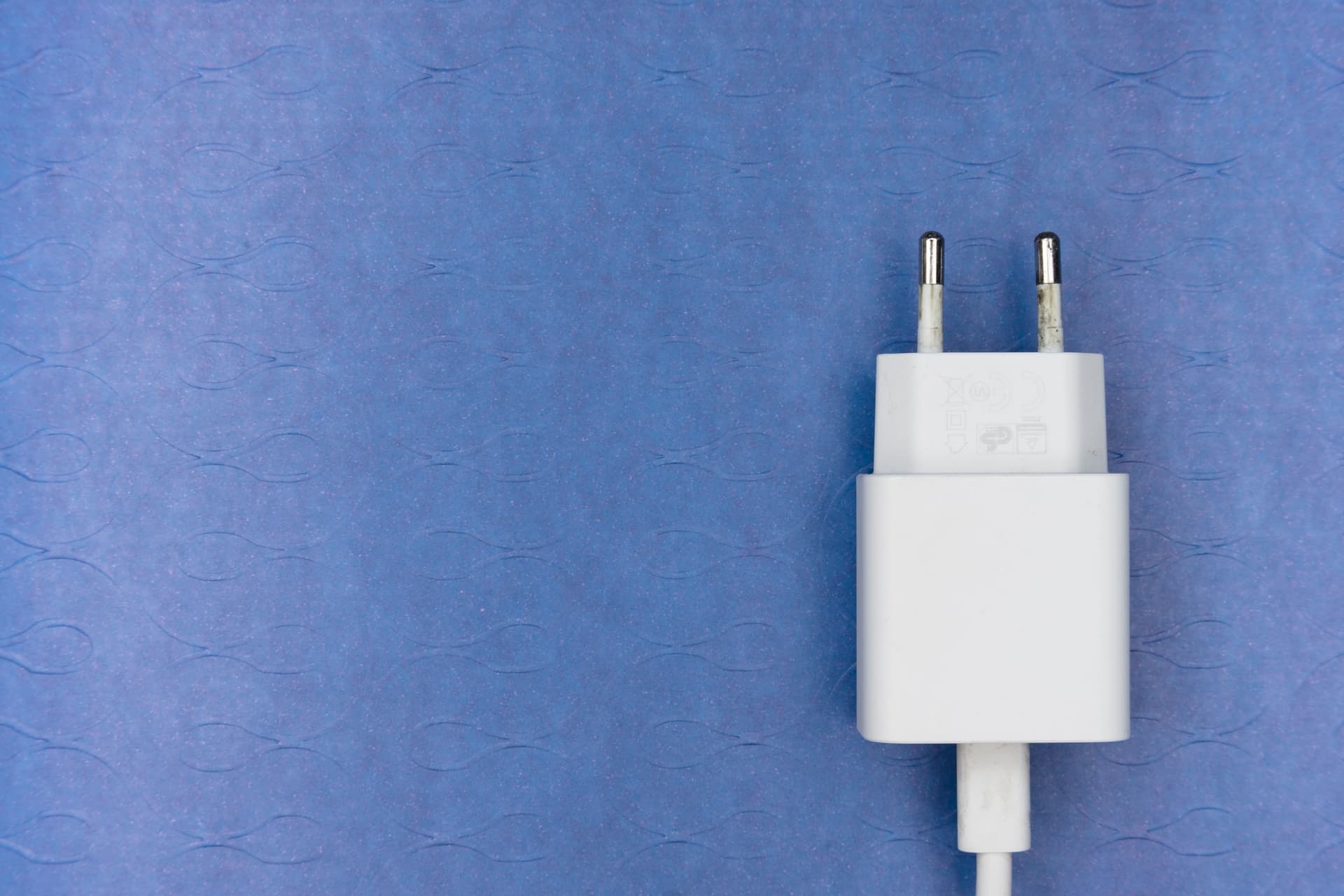
Best in-use outlet covers
Four covers for outlets in use: two double-lock and press-to-open boxes with room for adapters, a low-profile duplex cover, and a 13-inch power-strip box, with the breaker-off install explained.
Top pick: Wappa Baby Outlet Cover Box (2 pack) · 4 picks
Check price on Amazon#ad · Price set by Amazon · Affiliate disclosure for the link to Wappa Baby Outlet Cover Box (2 pack)
Babyproofing by Room & Stage
The babyproofing checklist
A room-by-room, injury-ordered checklist for the whole house, with every row linked to the guide that explains the standard and the ranking that picks the product. Print-friendly.
Featured: Hangman Anti-Tip Kit (TK-400)
Check price on Amazon#ad · Price set by Amazon · Affiliate disclosure for the link to Hangman Anti-Tip Kit (TK-400)
Baby Gates & Stair Safety
Best extra-wide gates
Five gates from 46 to 192 inches: a certified 49-inch pressure gate, two multi-panel steel barriers, an angled configurable gate and a budget auto-close.
Top pick: Regalo Easy Step Extra Wide Safety Gate (Model 1164) · 5 picks
Check price on Amazon#ad · Price set by Amazon · Affiliate disclosure for the link to Regalo Easy Step Extra Wide Safety Gate (Model 1164)
FAQ
Questions people ask
What is the best type of cabinet lock for babyproofing?
Do I need to lock every kitchen cabinet?
Do stove knob covers work?
How long does adhesive need to cure on a cabinet lock?
Ask us
Got a hazard we haven't covered?
Tell us the room, the opening or the product you are stuck on. Reader questions decide what we research next. Email mike@blackironathletics.com or use the contact form.