04 Outlet Covers, Cords & Blinds Guide
How to babyproof a power strip: six outlets at crawling height, plus a switch that looks like a button
Wall outlets are a foot off the floor and mostly tamper-resistant these days. A power strip behind the sofa is at floor level, usually not tamper-resistant, and comes with a glowing switch.
- By
- Mike M.
- Updated
- Method
- How we choose
We earn a commission if you buy through our links, at no extra cost to you. It never decides the ranking: the method is published. Affiliate disclosure
Why the strip is worse than the wall outlet
The outlets in your wall have had a quiet upgrade over the last fifteen years. The National Electrical Code has required tamper-resistant receptacles in new residential construction since the 2008 edition, and ESFI's own material explains the mechanism: internal shutters that only retract when both blades of a plug enter together. Anything built or rewired since then is far harder for a child to get into than the outlets of twenty years ago.
A power strip has had no such upgrade. Almost every strip on sale is a row of ordinary unshuttered outlets, and four things make it the more attractive target in a room.
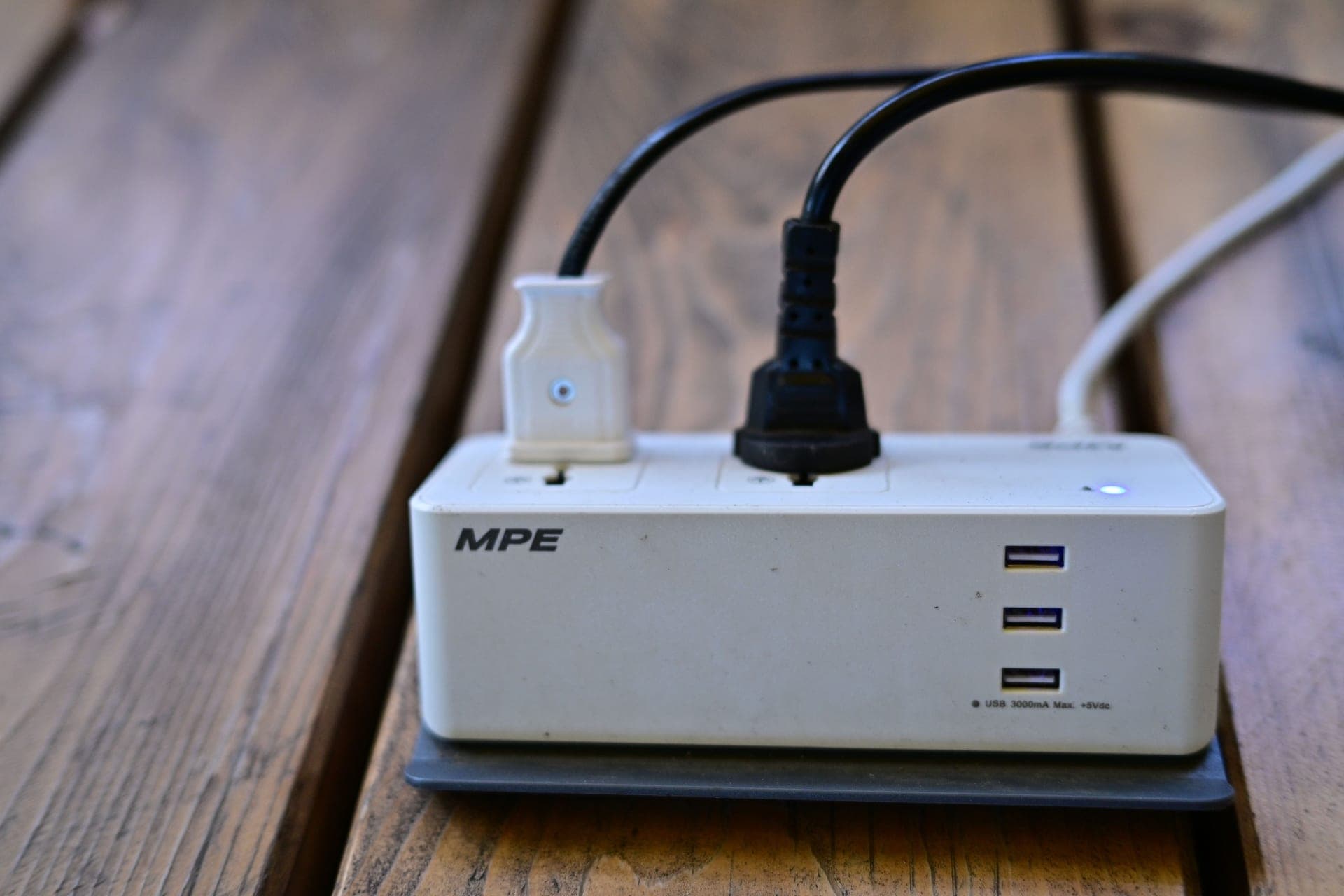
It is at floor level, which is where a crawling baby lives. It is portable, so it sits in the middle of the room behind furniture rather than against a wall. It has a switch that lights up, which is the single most interesting object in the room to a one-year-old. And it has half-inserted plugs: a plug that is not quite home leaves live blades exposed, and a strip full of adapters is full of plugs that are not quite home.
Add the cord. A strip in the middle of a floor has a lead running to the wall and leads running out to devices, which is a trip hazard for adults carrying children and a pull hazard for a baby who has learned that tugging a wire moves a lamp.
Measure the strip before you buy a box
The one measurement that causes returns in this category is length. Take three numbers off your strip and check them against the box you are considering.
Length. Measure the body of the strip end to end, not including the cord. The Wappa box states strips up to 11 inches; a basic six-outlet strip is comfortably inside that and a twelve-outlet surge protector is not.
Width and height. The same box states 2.75 inches wide. Check it with the plugs in, because the part that has to fit is the strip plus whatever is plugged into it, and a wall-wart adapter sticking out sideways is often what stops the lid closing.
Plug orientation. If any of your plugs are vertical adapters standing up out of the strip, no box of this size will close over them. Either swap the adapter for a short extension lead so the brick sits outside the box, or buy a larger cable organizer box designed to take the brick as well.
The four steps, in order
One: reduce before you cover. Pull out whatever is not in daily use. The best babyproofing for a six-outlet strip with two things plugged into it is a two-outlet solution and no strip at all. A spare strip in a drawer is safer than a covered one on the floor.
Two: seat every plug fully. Push each plug home until no metal shows. This takes thirty seconds and removes the one genuinely live exposure on a strip that is otherwise just a plastic box.
Three: box it, with the cords exiting through the openings. Set the strip in the box, run the cords out through the side cut-outs rather than over the rim, and close the lid until both catches engage. A lid that is resting rather than latched is a lid a toddler lifts.
Four: deal with the slack. Wind the loose loop of cord into a shortener and take the hanging loop out of reach. This is the step people skip and the one that matters most for a child who is pulling rather than poking - a dangling loop of cord is both a strangulation hazard and the thing that brings a lamp off a table. The cord side of the job in full is on how to babyproof cords.
What to buy
Two boxes and a spool. The first is the one built for a power strip; the second handles the strip plus the adapters when the strip is behind a media unit; the third is the cheapest and most overlooked product in this whole category. If you would rather see every cover on sale side by side - including the expandable shell that takes a longer strip than either box here - they are ranked on best power strip covers.
What not to do
Do not put plug inserts in the spare sockets of a strip. Inserts are sized for a wall receptacle and fit a strip unpredictably; a loose insert is a small hard object on the floor, which is a choking hazard rather than a safety device. Box the strip instead.
Do not tape over the outlets. Tape leaves residue in the contacts, peels, and teaches nobody anything. It also gets removed to plug something in and never goes back.
Do not daisy-chain strips to get the plugs out of reach. Plugging one strip into another is an electrical hazard independent of the child, and it doubles the number of connections at floor level.
Do not rely on furniture. A strip behind the sofa is hidden rather than protected, and the sofa moves. If the real problem is that you need the strip in the middle of the room, the answer is a box plus a floor cord cover for the run, and those are ranked on best cord covers for babyproofing. The wall outlets themselves are a separate job, on best outlet covers for babyproofing, and if you want to know whether your wall sockets are already shuttered, read tamper-resistant outlets vs outlet covers.
How we chose
How these picks were chosen
Every product currently sold for this job was read and compared, then scored against the exact problem this page is about: the manufacturer's published specs, the opening and fit charts, the safety standard it states, the install conditions in the manual, the warranty terms and the cited research. The sources are listed at the bottom of the page.
Scores come from that published data on a rubric you can read, a missing spec is scored neutral rather than guessed, and nobody pays for placement. The full rubric is on How We Choose.
- Standards & certification
- 20%
- Installation truth
- 15%
- Toddler resistance
- 25%
- Adult one-hand use
- 15%
- Damage & reversibility
- 5%
- Value
- 20%
The weights that ordered this page. Each product's score is published on our 8.4-9.8 recommendation scale and is the same wherever it appears.
FAQ
Questions people ask
How do you babyproof a power strip?
Are power strips dangerous for babies?
Can you put outlet covers in a power strip?
What size power strip cover do I need?
Is it better to hide a power strip behind furniture?
Keep going
Related guides and picks
- Best cord covers for babyproofingThe run of cable leaving the box, ranked.
- How to babyproof cordsThe slack, the loops and the lamp the cord is attached to.
- Best outlet covers for babyproofingThe wall outlets, which are a different and easier problem.
- Tamper-resistant outlets vs outlet coversWhether your wall sockets are already shuttered.
Update log
What changed
- First published.
Receipts
Sources
- 01ESFI: Tamper Resistant Receptacles (TRRs) program page, NEC 406.12 (accessed Sep 21, 2026)
- 02ESFI: TRR code requirements, revisions from the NEC 2008 and 2011 (accessed Sep 21, 2026)
- 03CPSC news release, 2023: new federal safety standard for custom window covering cords (accessed Sep 21, 2026)
- 04CPSC publication: Childproofing Your Home, 12 Safety Devices to Protect Your Children (accessed Sep 21, 2026)
Specs, standards statements and install requirements come from the manufacturer's own pages and manuals (or a named retailer's listing where the brand doesn't publish them); injury data and standards come from the CPSC, ASTM, NEC via ESFI and the AAP, linked above. Prices are set by Amazon and change often, so the buy button always takes you to the live listing. Read the full method.